



NepalIsrael.com auto goggle feed
“Hamas deliberately hid the formula in warehouses belonging to Gaza’s Health Ministry,” al-Khatib wrote on X. His post went viral and was also published by the New York Post, which reported that he shared a video from inside one of the warehouses showing packages of food intended for Gaza’s infants and toddlers that never reached the public.
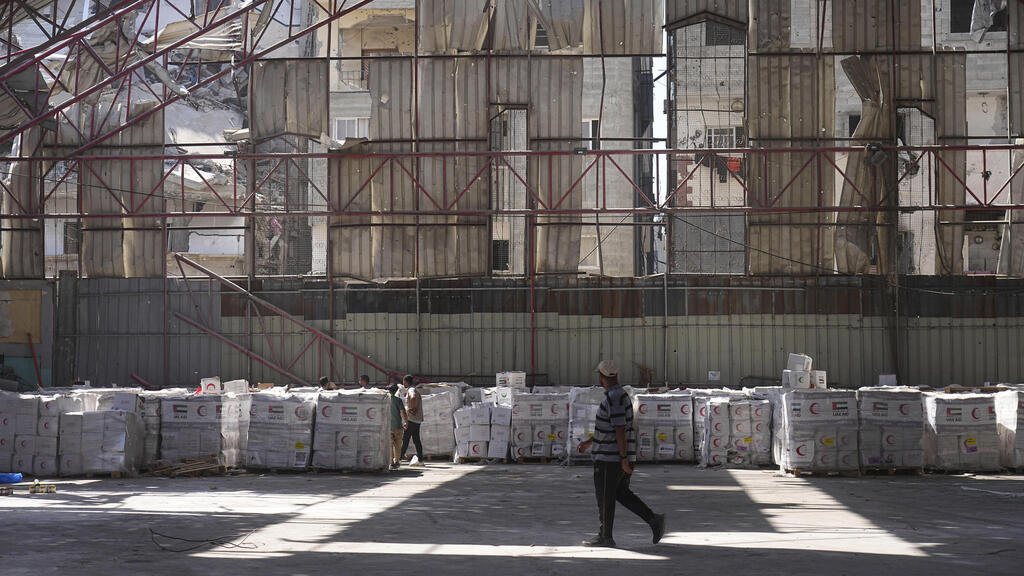
The GHF operated in Gaza for about five months, during which it distributed more than 187 million meals and humanitarian aid packages to residents of the strip. It stopped operating in November after the ceasefire was signed and all living hostages were released from captivity. During the months it worked, Hamas repeatedly tried to disrupt the distribution and accused Israel of shooting at residents waiting in line for aid. The terror group threatened Gazans not to come to the distribution centers and blocked their routes.
4 View gallery
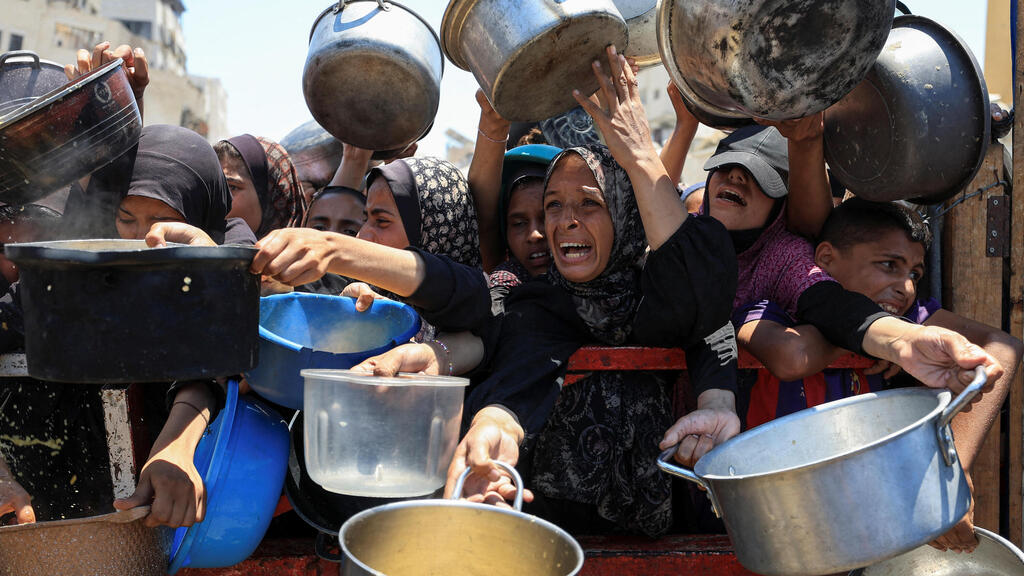
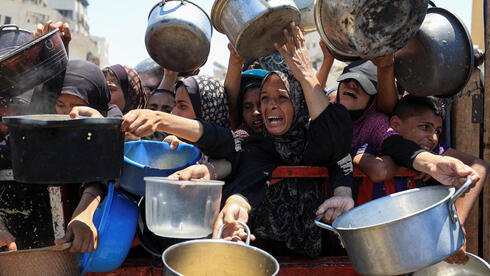
תור ל מזון בעיר עזה בצל טענות למשבר רעב תת-תזונה ברצועה
(Photo: Dawoud Abu Alkas/ Reuters)
During the foundation’s period of activity, al-Khatib also accused Hamas of starving Gazans. He argued that Hamas uses Palestinians as leverage in the war against Israel in the international arena. “You can feel compassion for the suffering of Palestinian civilians and demand Israeli action, but at the same time you must place responsibility on Hamas, which caused the crisis in the first place,” he wrote.
4 View gallery
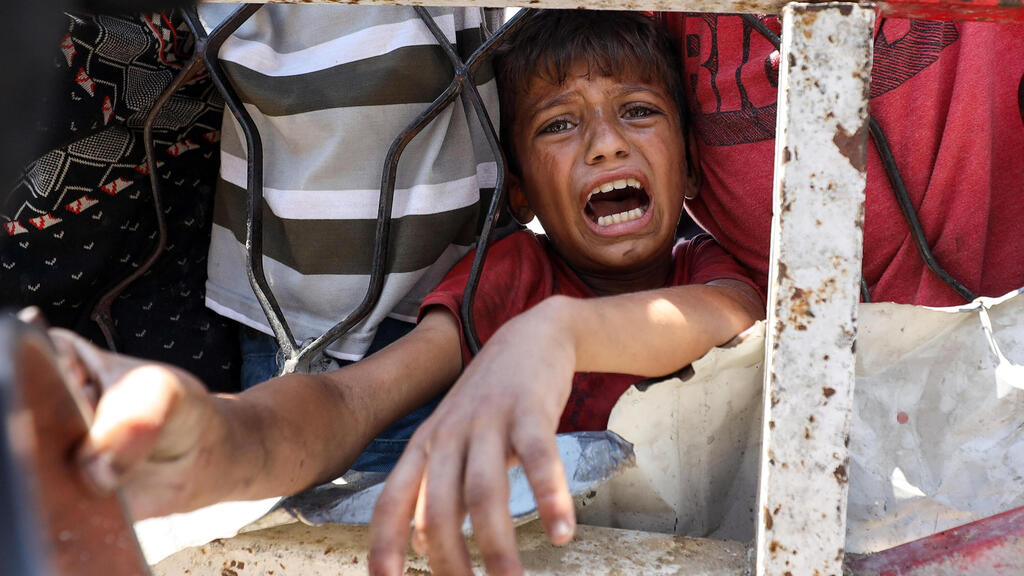
ילד תור ל מזון בעיר עזה בצל טענות למשבר רעב תת-תזונה ברצועה
(Photo: Khamis Al-Rifi/ Reuters)
‘Children who look like skeletons’
International media have widely reported on Gaza’s hunger crisis throughout the war. Those reports contributed significantly to international pressure on Israel, pressure that even led the political leadership to instruct the Defense Ministry to speed up the flow of aid. Major news sites around the world placed the crisis on their front pages, including The New York Times, one of the most prominent and prestigious newspapers.
In July, under the headline “Severe hunger grips Gaza, where people are dying of starvation,” the Times showed readers, even before they opened the report, a video of a crying child waiting in line for food, holding an empty pot to be filled.
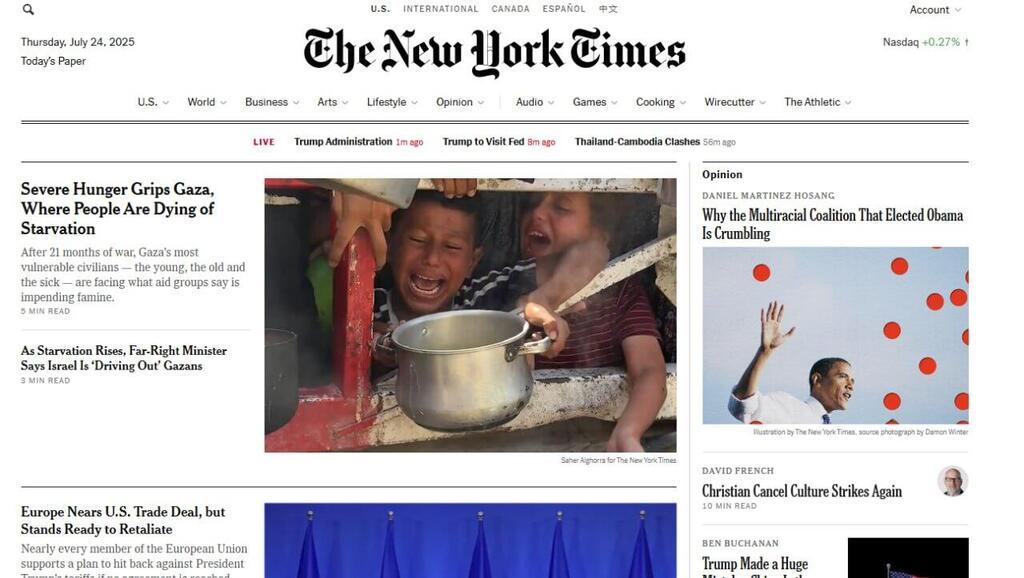
The Times highlighted the dire condition of children suffering from malnutrition, describing “emaciated children who look like skeletons, with sunken eyes, lying helplessly on hospital beds or cared for by their parents, who watch in despair as ribs and shoulder blades protrude through the skin and limbs grow so thin they look like fragile sticks. These shocking sights stand in stark contrast to the abundance just a few kilometers away, across the border with Israel and Egypt.”
Other leading global outlets also featured Gaza’s hunger crisis as their main headline, including Britain’s BBC, which Israel has accused of biased coverage. That month, under the headline “One in five children in Gaza is starving,” the network highlighted a statement from the head of UNRWA, the U.N. agency for Palestinian refugees, saying one-fifth of Gaza’s children were at risk of malnutrition. “People in Gaza are neither dead nor alive, they are walking corpses,” UNRWA chief Philippe Lazzarini was quoted as saying.
The post”Hamas hid baby formula in Gaza to deepen hunger, then blamed Israel” is auto generated by Nepalisrael.com’s Auto feed for the information purpose. [/gpt3]
