



NepalIsrael.com auto goggle feed
Iran’s prosecutor general said Wednesday that while economic protests that had gripped the country were legitimate, any attempt to create insecurity would be met with a “decisive response.”
“Peaceful livelihood protests are part of social and understandable realities,” Mohammad Movahedi-Azad told state media.
“Any attempt to turn economic protests into a tool of insecurity, destruction of public property, or implementation of externally designed scenarios will inevitably be met with a legal, proportionate and decisive response.”
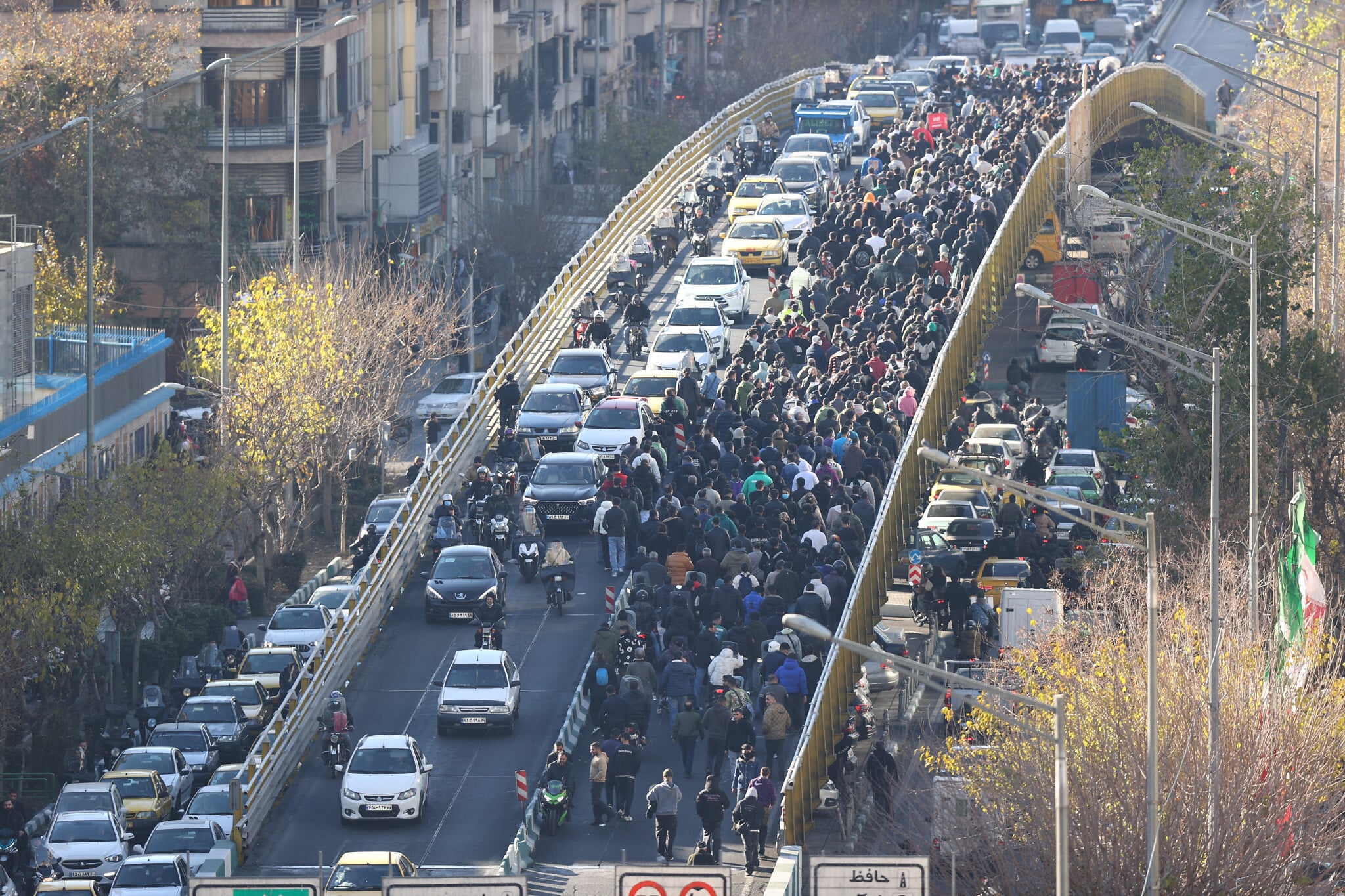
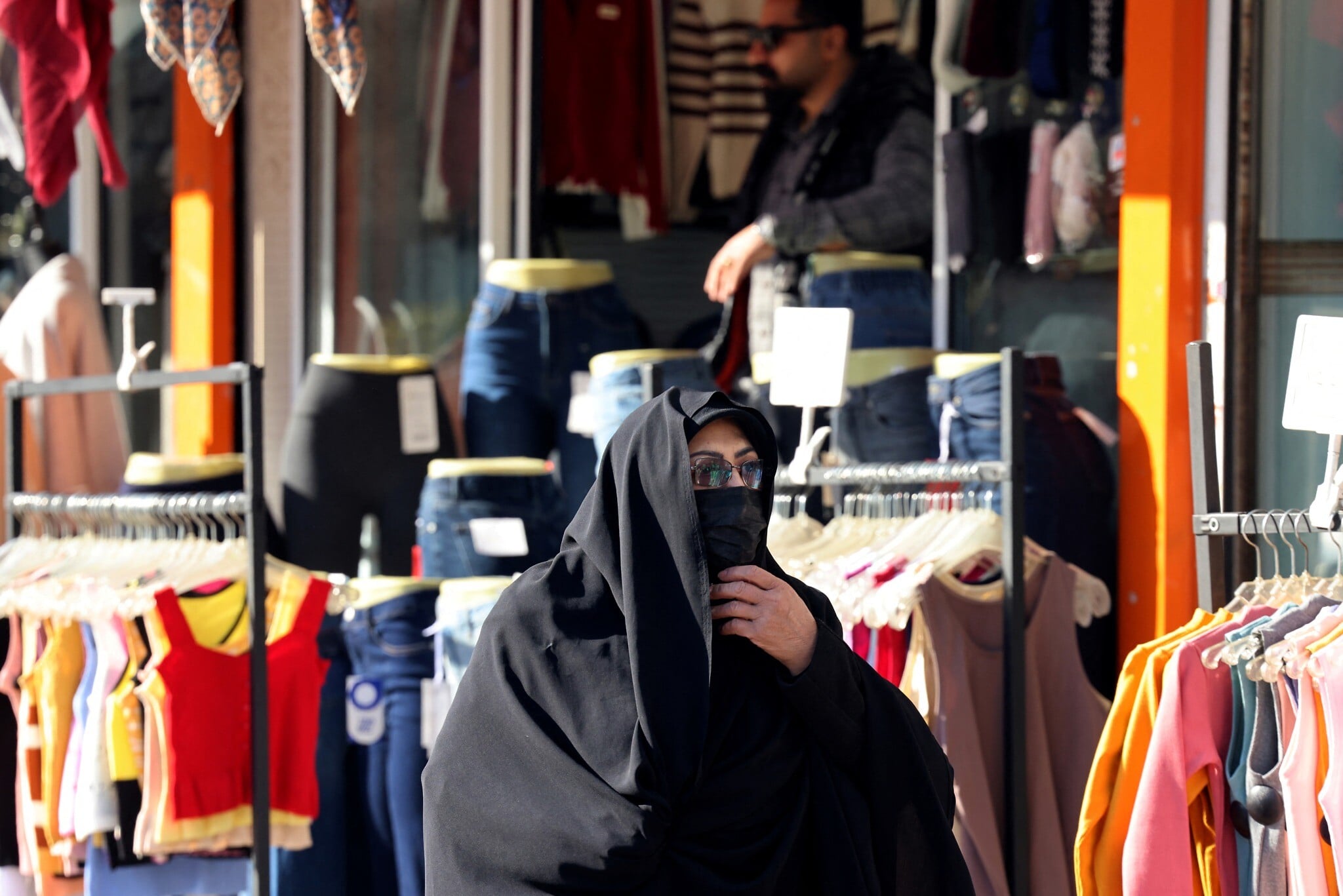
The spontaneous protests, driven by dissatisfaction over Iran’s economic stagnation and galloping hyperinflation, began on Sunday in Tehran’s largest cellphone market, where shopkeepers shuttered their businesses.
They have since built momentum, with students at 10 universities in the capital and in other cities, including Iran’s most prestigious institutions, joining in on Tuesday.
Nevertheless, the protests remain limited in number and concentrated in central Tehran, with shops elsewhere in the sprawling metropolis of 10 million people unaffected.
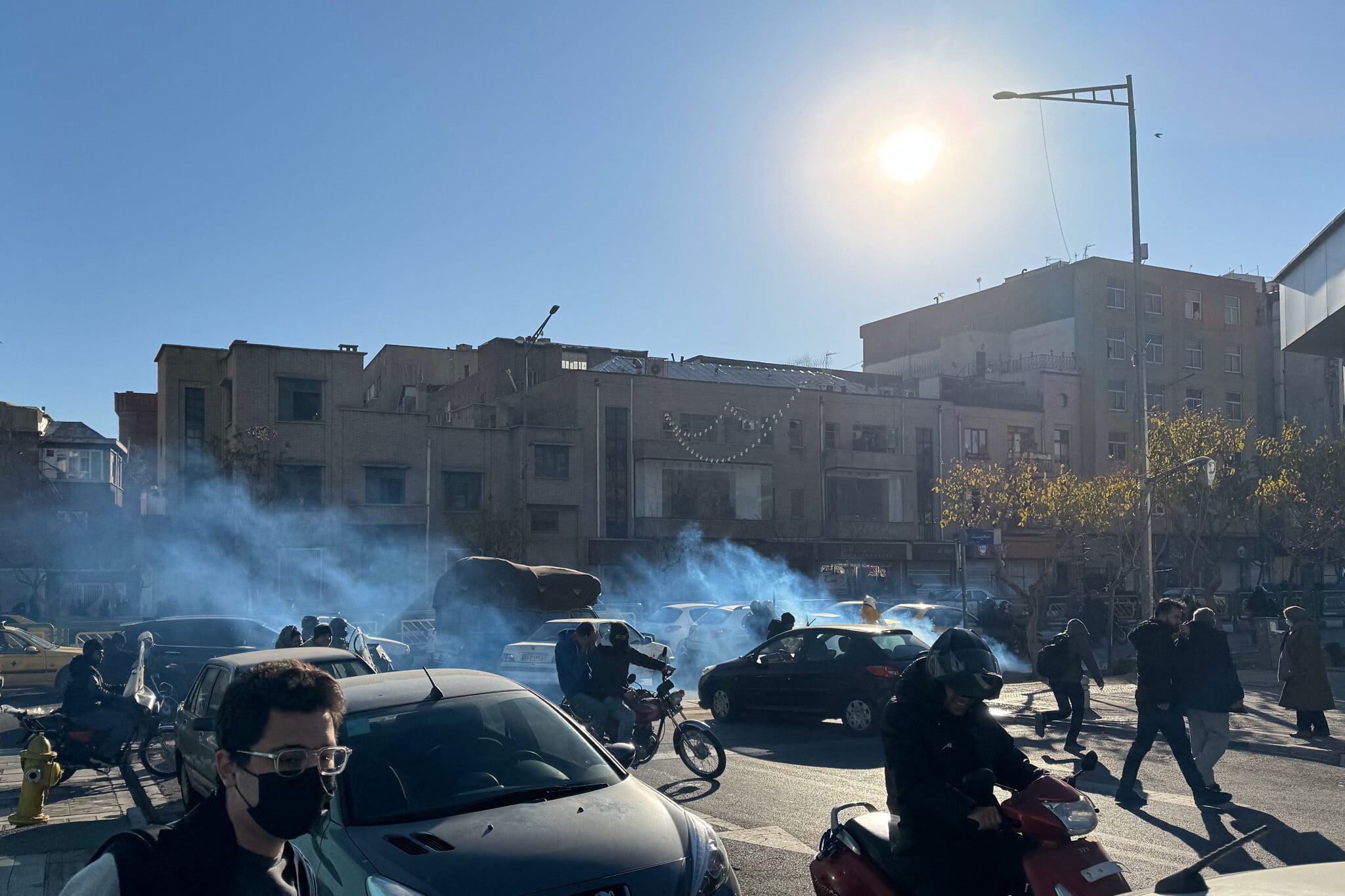
The streets of Tehran were calm early on Wednesday, a change from the usual chaotic and choking traffic, with the authorities having announced a bank holiday with just a day’s notice.
Schools, banks and public institutions were closed, with officials saying the directive was due to the cold weather and the need to save energy.
The capital’s prestigious Beheshti and Allameh Tabataba’i universities announced that classes would be held online throughout next week for the same reason, the state-run IRNA news agency reported.
Tehran is experiencing daytime temperatures in the low single digits, which is not unusual for the time of year.
The authorities have not linked the bank holiday to the protests.
New central bank governor appointed
Also Wednesday, Iran appointed a new governor to the central bank after the former one, Mohammad Reza Farzin, resigned following the record currency fall against the US dollar that sparked large protests.
A report by the official IRNA news agency said President Masoud Pezeshkian’s Cabinet appointed Abdolnasser Hemmati, a former economics minister, as new governor of the Central Bank of the Islamic Republic of Iran.
Experts say a 40 percent inflation rate led to public discontent.
The US dollar traded at 1.38 million rials on Wednesday, compared to 430,000 when Farzin took office in 2022.
The new governor’s agenda will included a focus on controlling inflation and strengthening the currency, as well as addressing the mismanagement of banks, the government’s spokeswoman Fatemeh Mohajerani wrote on X.
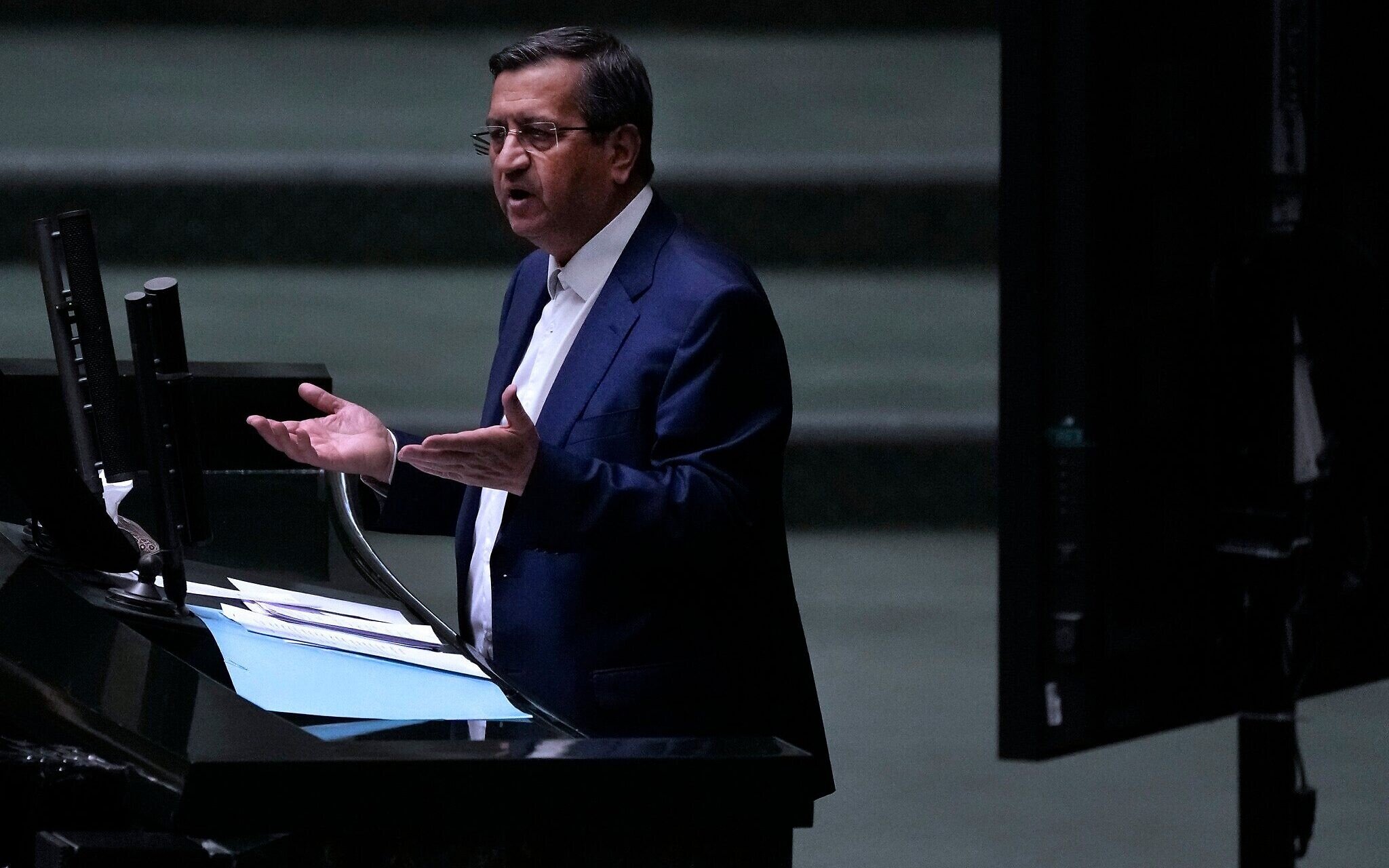
Hemmati, 68, previously served as minister of economic and financial affairs under Pezeshkian.
In March, parliament dismissed Hemmati for alleged mismanagement and accusations his policies hurt the strength of Iran’s rial against hard currencies.
A combination of the currency’s rapid depreciation and inflationary pressure has pushed up the prices of food and other daily necessities, adding to strain on household budgets already under pressure due to Western sanctions on Iran over its nuclear program.
Inflation is expected to worsen with a gasoline price change introduced in recent weeks.
Iran’s currency was trading at 32,000 rials to the dollar at the time of the 2015 nuclear accord that lifted international sanctions in exchange for tight controls on Iran’s nuclear program. That deal unraveled after US President Donald Trump unilaterally withdrew from it in 2018, during his first term.
Western powers and Israel accuse Iran of seeking to acquire nuclear weapons, a charge Tehran denies. However, Iran has enriched uranium to levels that are a short technical step from weapons-grade and that the UN nuclear watchdog says have no civilian use.
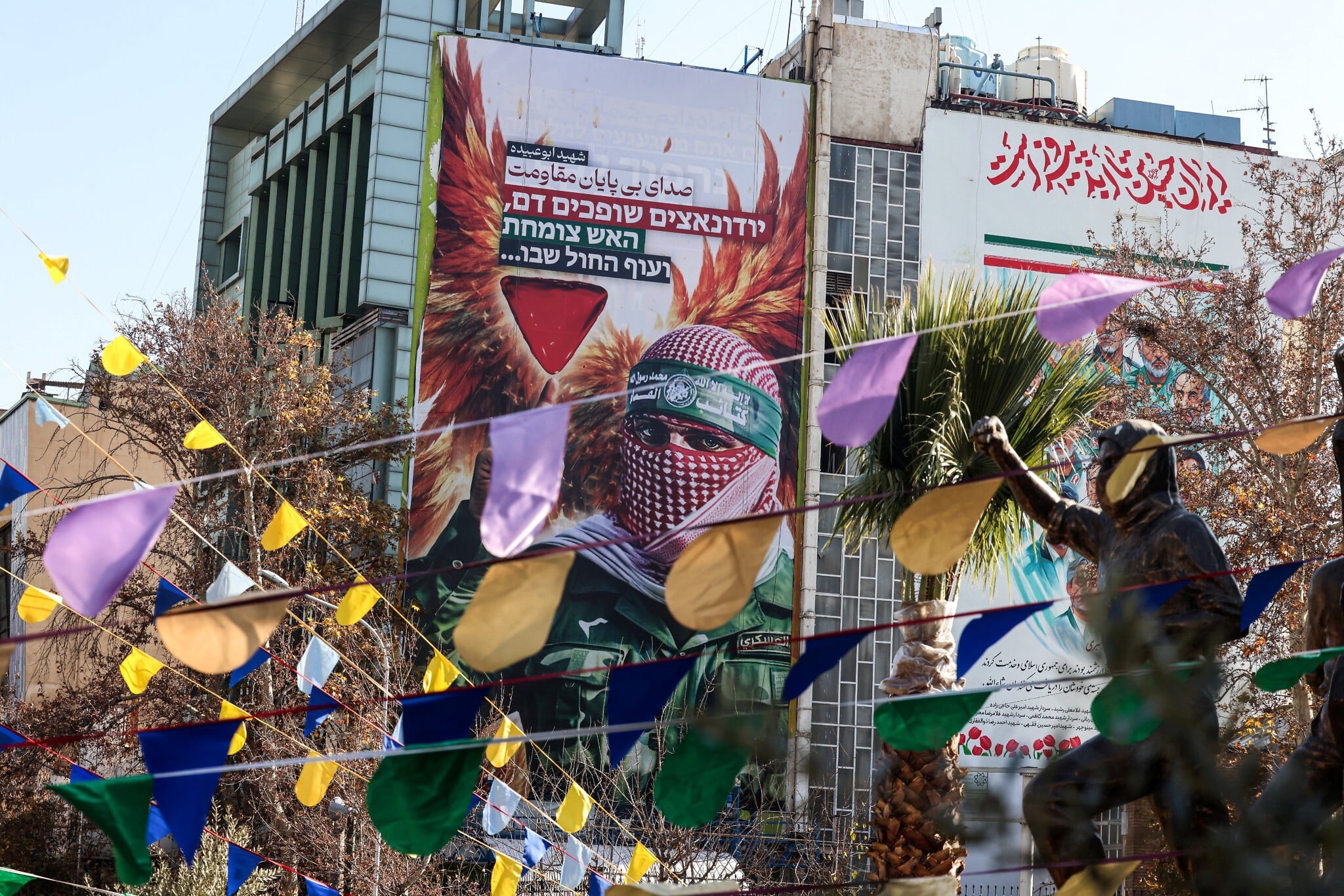
Iran is no stranger to nationwide protests, but the latest demonstrations have not come close to the last major outbreak in 2022 triggered by the death in custody of Mahsa Amini, a young Iranian woman.
Her death in custody after being arrested for allegedly violating the strict dress code for women sparked a wave of anger across the country. Several hundred people were killed, including dozens of members of the security forces.
There were also widespread protests in 2019, sparked by a sharp increase in the price of petrol.

The post”Iran’s chief prosecutor pledges ‘decisive’ response if protests destabilize country” is auto generated by Nepalisrael.com’s Auto feed for the information purpose. [/gpt3]
