



NepalIsrael.com auto goggle feed
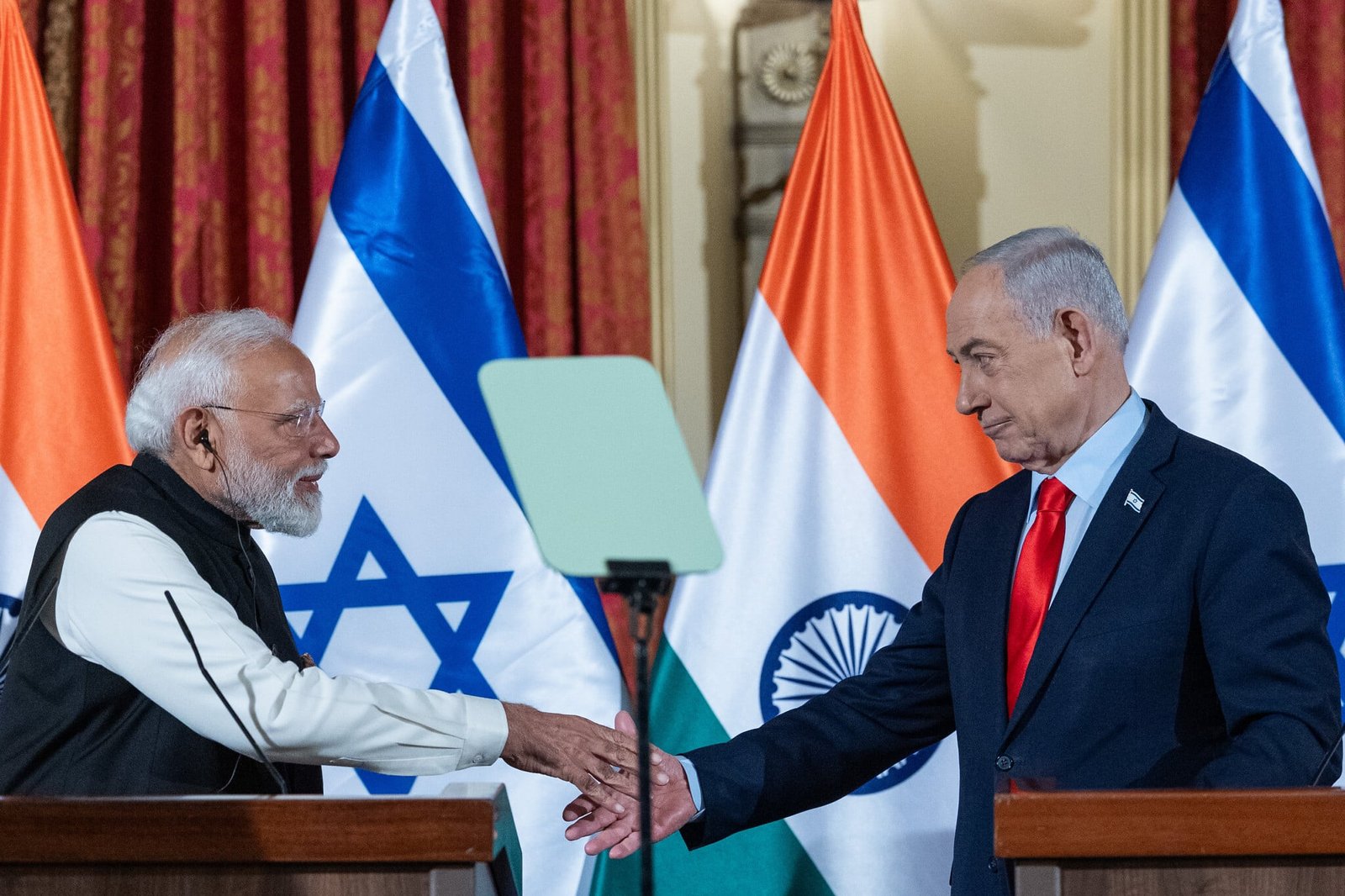
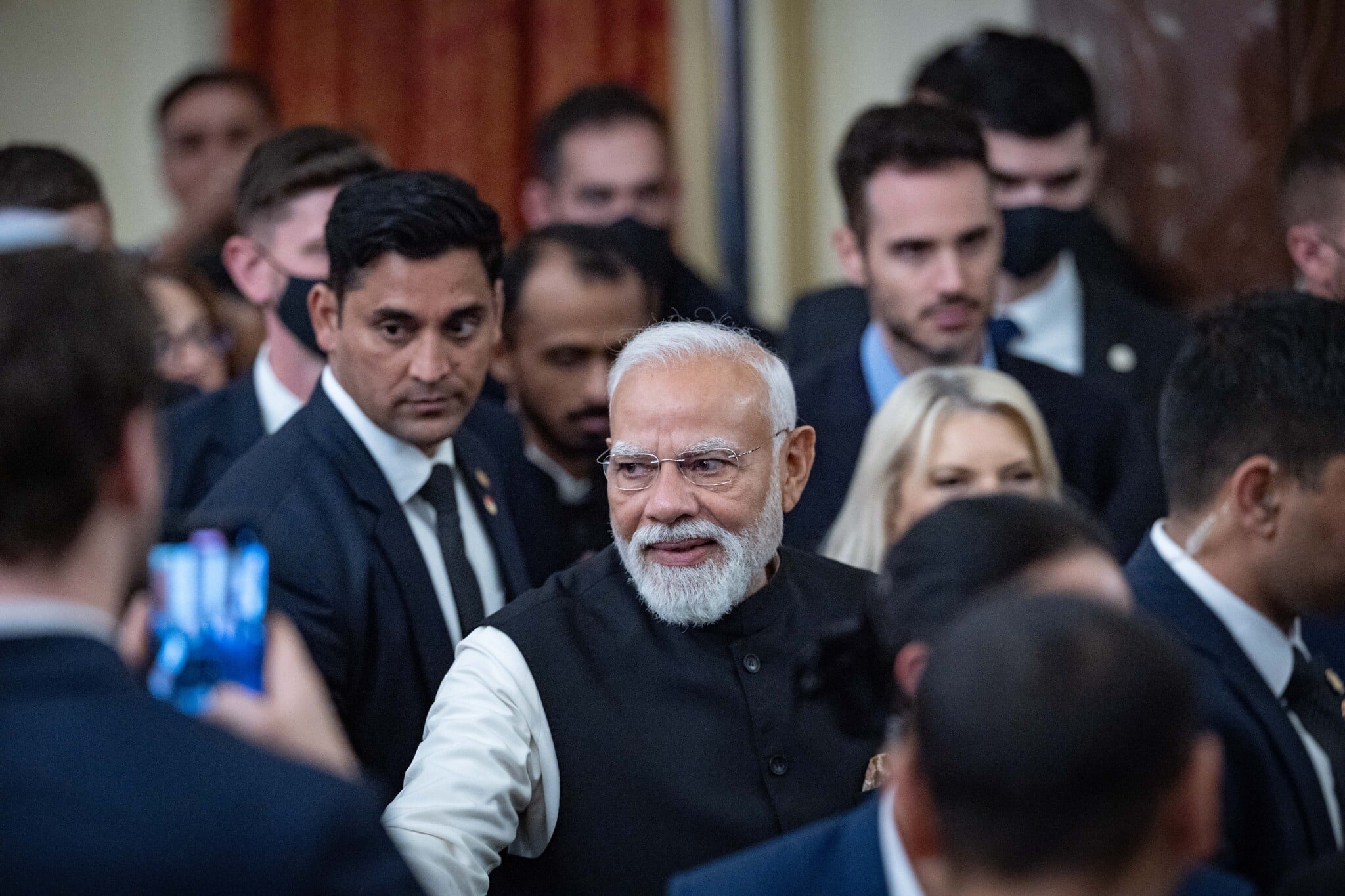
India’s Prime Minister Narendra Modi departed Israel Thursday afternoon following a packed two-day visit to Israel, during which he said Jerusalem and New Delhi agree that there is “no place for terrorism in the world.”
The trip was Modi’s second visit to Israel as prime minister since he took office in 2014. On Wednesday, he addressed the Knesset amid a series of meetings with Prime Minister Benjamin Netanyahu and other officials.
“India and Israel are clear that there is no place for terrorism in the world, in any form… We will oppose it shoulder to shoulder. We will always oppose it in the future,” Modi said at a Thursday press conference with Netanyahu in Jerusalem. “Humanity must never become a victim of conflict.”
Modi said that the US-backed “Gaza peace plan has opened a pathway to peace, and India has extended its full support to these efforts.”
He also spoke of future cooperation between Israel and India in a variety of fields, including technology and energy.
At the event, the two countries signed 16 bilateral memorandums of understanding, primarily in the fields of innovation and technology.
Today’s discussions with PM Netanyahu were very fruitful. We’ve taken a historic decision to elevate our time-tested partnership to a Special Strategic Partnership. This decision reflects the aspirations of the people of both countries.@netanyahu pic.twitter.com/zXJr2re3Mb
— Narendra Modi (@narendramodi) February 26, 2026
Speaking alongside Modi, Netanyahu described the Indian leader’s visit as “amazing” and “extraordinarily productive,” and also spoke about joint innovation between the two countries.
“We’re proud ancient civilizations, very proud of our past. But absolutely determined to seize the future, and we can do it better together,” he said.
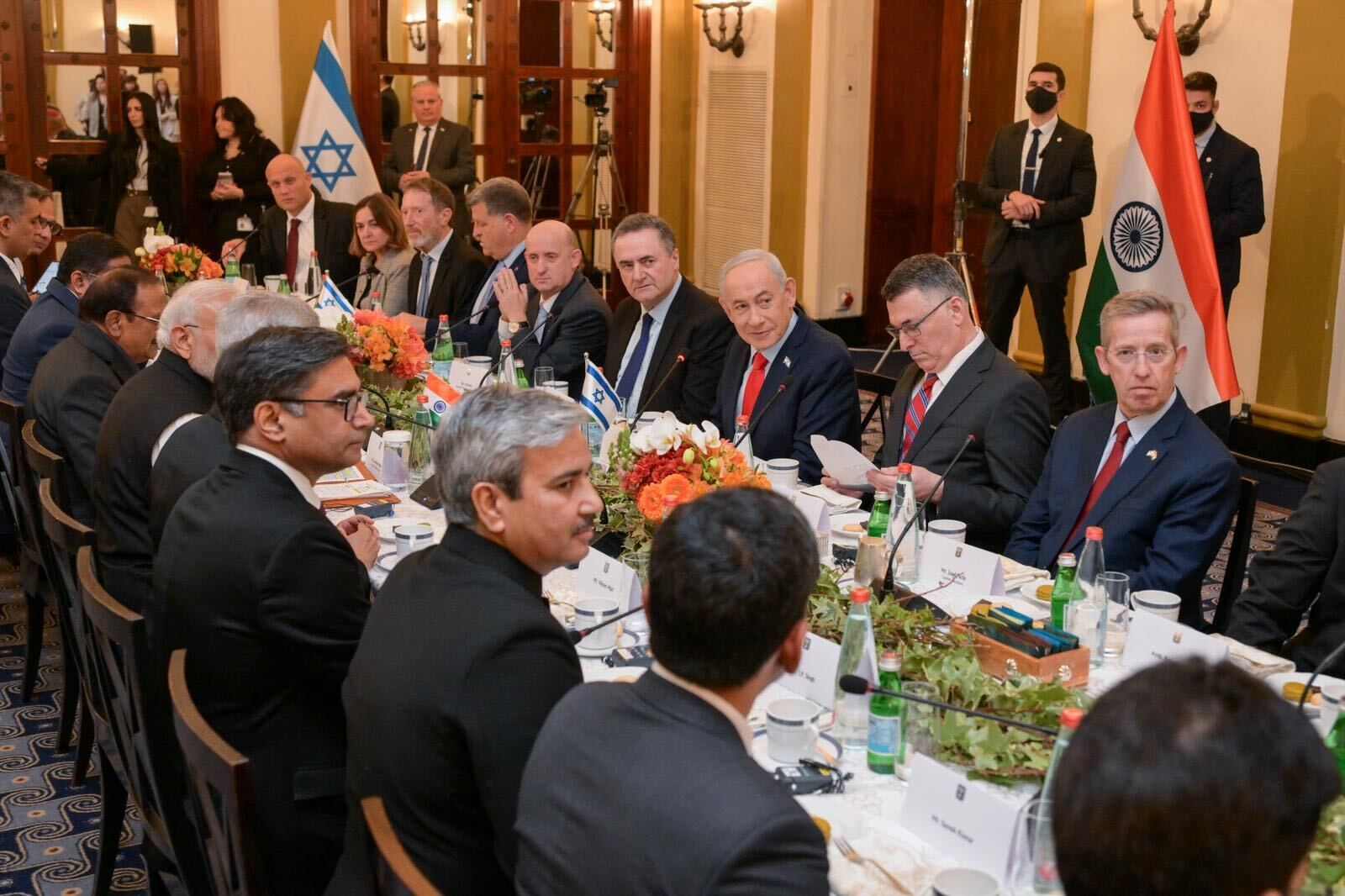
Following an expanded meeting with their teams, Netanyahu said, “We spoke about cooperation with the extraordinarily talented people of India and our people, and we’re working this into concrete plans.”
He highlighted “precision agriculture” and “software and AI” as fields that the two countries plan to collaborate on.
“Israel and India are bent on innovation,” Netanyahu continued, adding that the countries also plan to increase cooperation between their governments: “We’ve decided to have a [government-to-government] meeting in India as soon as we can arrange it.”
Netanyahu reiterated his personal connection with Modi, telling him “how deeply and from the heart we feel both our personal friendship and the friendship between our governments and our peoples, and may this continue and flourish and strengthen, as I’m sure it will as a result of this visit.”
Modi noted that the pair had “extensive discussions on regional and global issues. Promoting regional connectivity, we will advance with renewed momentum on initiatives such as the India–Middle East–Europe Economic Corridor (IMEC) and India–Israel–UAE–USA (I2U2),” he said, according to the Indo-Asian News Service.
He was referring to two US-backed initiatives: the IMEC transport corridor, which aims to connect India to Europe via the Middle East by sea and rail, and I2U2, a strategic partnership between India, Israel, the UAE, and the US centered around economic, technological, energy, and food security cooperation to promote regional stability.
An Indian Foreign Ministry statement said the two countries would cooperate in the field of “horizon scanning,” which would enhance India’s strategic capabilities. This would help strengthen strategic foresight, risk assessment, and technology planning through joint research, capacity building and AI-driven tools, it said.
Israel will allow 50,000 additional Indian workers into the country over the next five years, especially in manufacturing sectors, the statement said.
In a joint written statement released by Netanyahu’s office, the two countries affirmed their “special strategic partnership for peace, innovation, and prosperity.”
The statement outlined the countries’ commitment to and plans for cooperation on defense and security, technology and innovation, cybersecurity, trade, investment and connectivity, agriculture, water and environmental protection, combating terror, promoting peace, parliamentary cooperation, people-to-people collaboration, health, education, and global trade.
Following their final meetings and the press conference, Netanyahu escorted Modi to Ben Gurion Airport, where they took part in a farewell ceremony on the tarmac before the Indian leader departed.
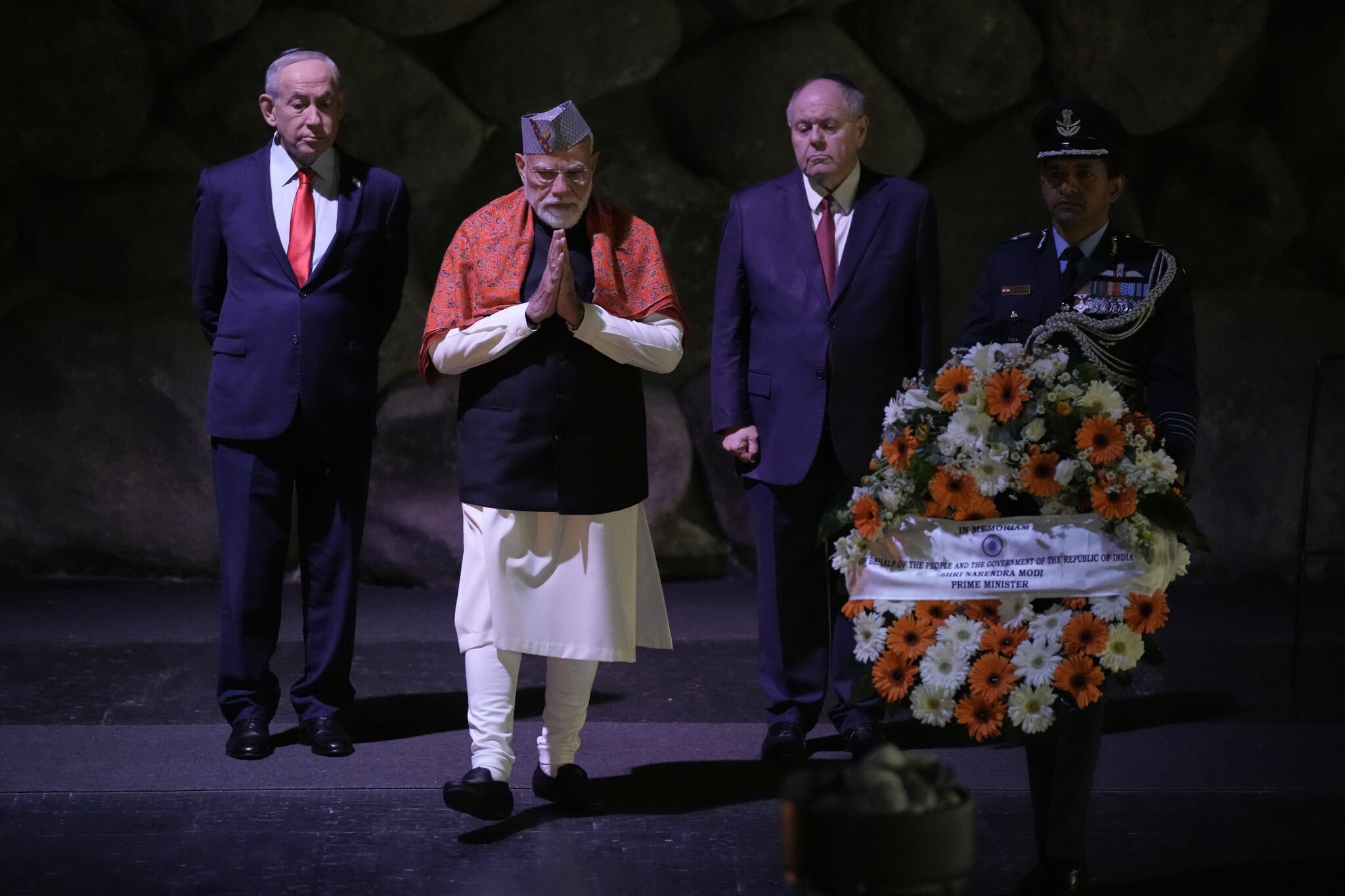
Earlier Thursday, Modi and Netanyahu visited the Yad Vashem Holocaust memorial in Jerusalem together.
According to the Prime Minister’s Office, Netanyahu showed Modi the names of Holocaust victims from the family of his wife, Sara, after which Modi laid a wreath in Yad Vashem’s Hall of Remembrance.
Laid a wreath at Yad Vashem, the World Holocaust Remembrance Center. Grateful to PM Netanyahu for accompanying me during this visit.
Also visited the Hall of Names, a solemn space that preserves the memory of those who suffered and perished during the Holocaust.
The Holocaust… pic.twitter.com/fU8PrM9ZJu
— Narendra Modi (@narendramodi) February 26, 2026
Modi also met with President Isaac Herzog, and the pair planted an oak tree together in the garden outside the president’s residence in Jerusalem.
The Indian prime minister invited Herzog to visit India and the president readily accepted, according to the president’s office.
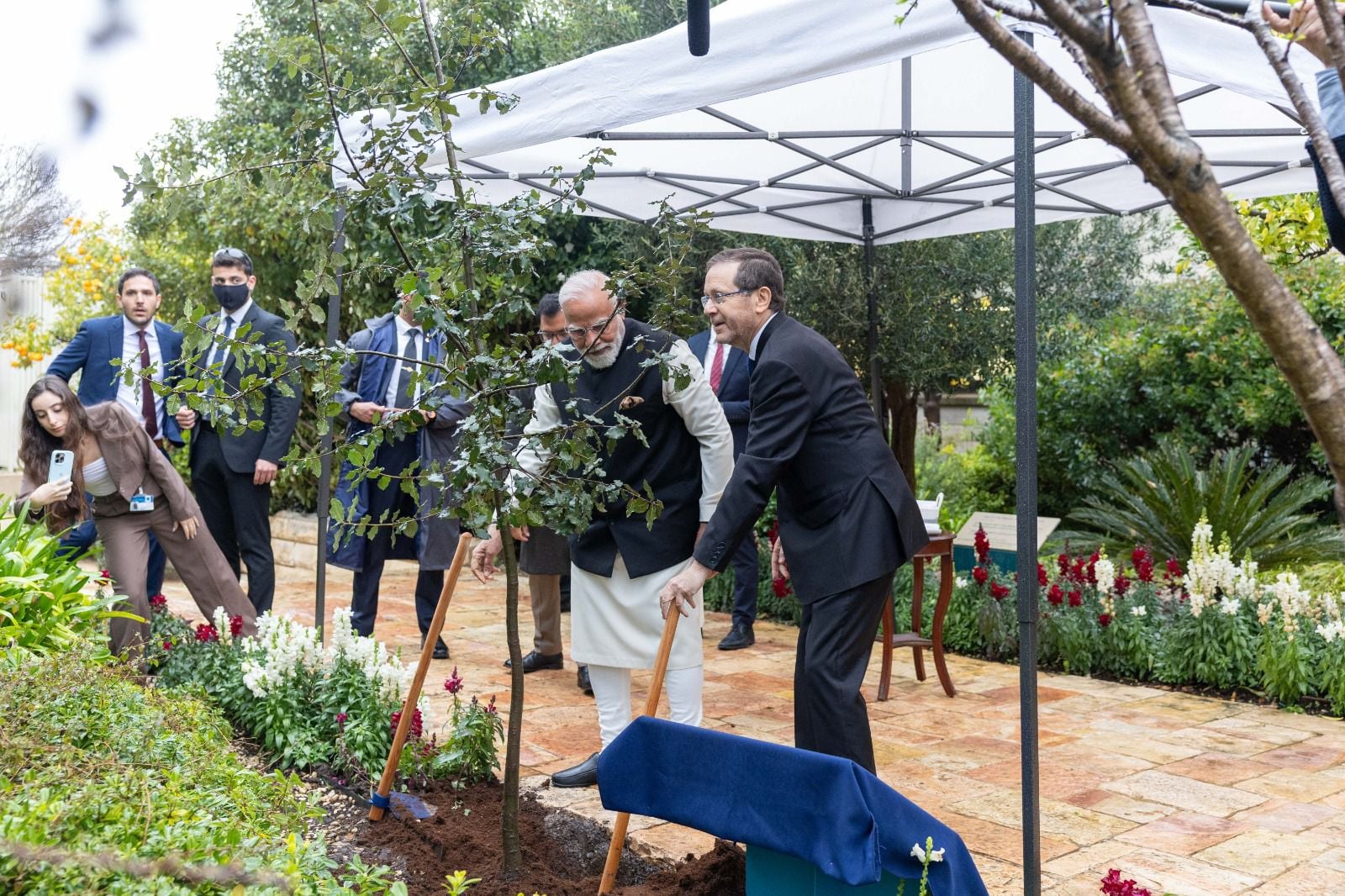
“India is an essential part of the great future of the Middle East, and the Middle East is an essential part of the great future of India,” Herzog told the visiting leader. “We know that you lead the world in so many fields, and we are very moved and excited that you’re here with us.”
Modi told the president that “the India-Israel relationship, across the sectors, can do a lot for the global good. India is also implementing a lot of good Israeli solutions in our country, and we have had great results.”
The post”Departing Israel, Modi says there’s ‘no place for terrorism,’ praises Gaza peace plan” is auto generated by Nepalisrael.com’s Auto feed for the information purpose. [/gpt3]
