



NepalIsrael.com auto goggle feed
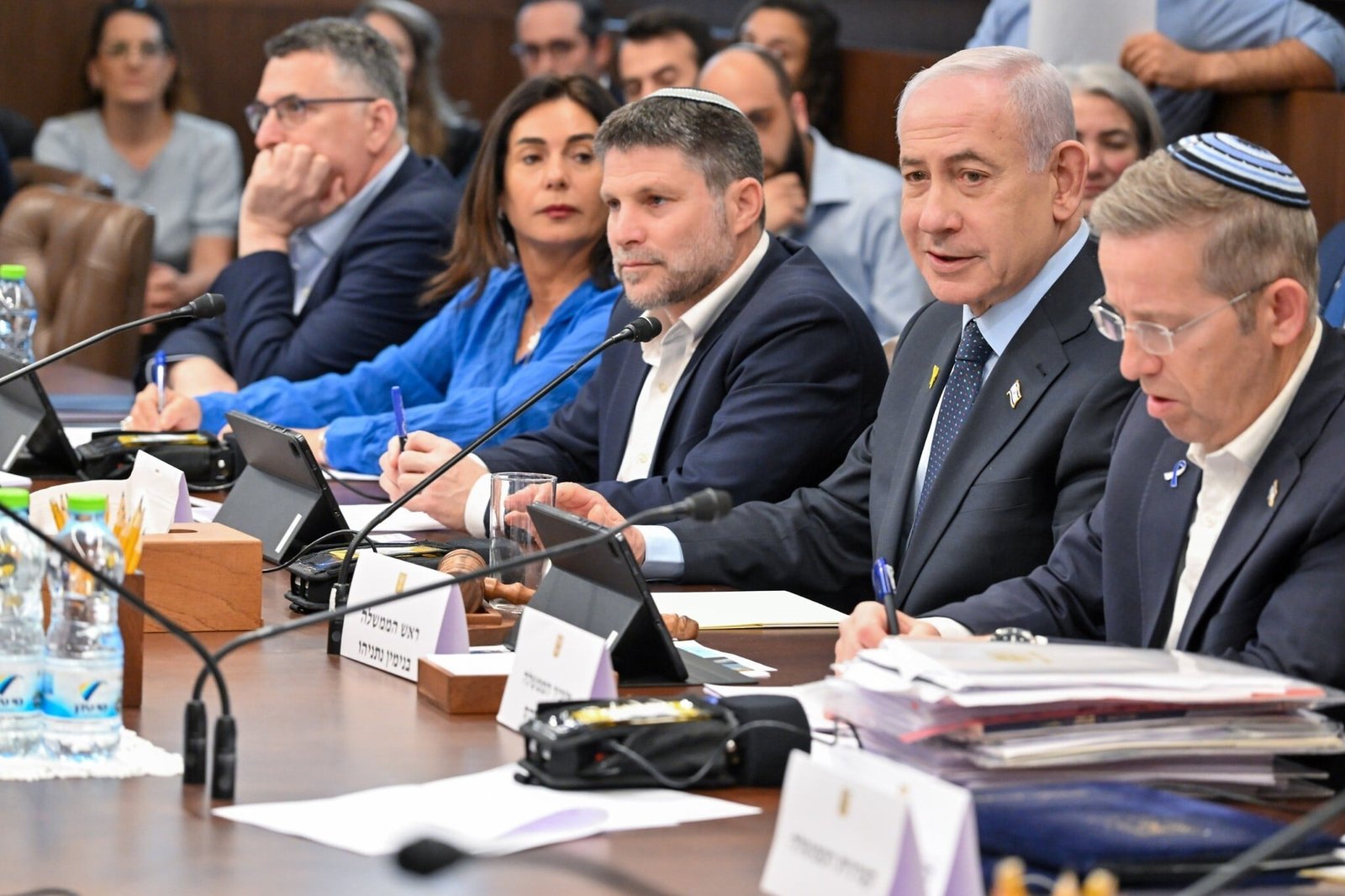
The cabinet approved the 2026 state budget Friday, the Prime Minister’s Office said, after hours of intense negotiations and infighting over budgetary allocations.
The vote was held shortly before Shabbat, in the wake of a compromise deal between Finance Minister Bezalel Smotrich and Defense Minister Israel Katz, who had been quarreling over how much to set aside for defense spending.
The budget, which amounts to some NIS 662 billion ($205 billion), will move on to its first plenary reading and subsequent committee discussions in the Knesset, as the government strives to pass the legislation before its deadline at the end of March 2026.
If the budget does not pass before that deadline, the Knesset will dissolve automatically, triggering early elections that would take place in June 2026, instead of October.
Opposition figures blasted the freshly-approved budget, including Opposition Leader Yair Lapid, who said it served “crooks and draft dodgers” and accused the government of raising taxes on ordinary Israelis in order to cover the cost of Haredi draft evasion.
Notably, National Insurance payments will go up next year, and income tax brackets frozen in last year’s budget (rather than adjusted for inflation) remain so. Value-added-tax, raised in last year’s budget from 17% to 18%, remains at that level.
Among major reforms included in the budget plan are a proposed loosening of tariffs on dairy imports, as well as an NIS 30 ($10) tax on e-cigarettes, marking the first attempt by an Israeli government to regulate the burgeoning market.
Despite cabinet infighting, Netanyahu praised what he called the “harmony” of the debate in remarks at the conclusion of the meeting at which the budget was approved.
“I estimate that around this table, in this room, I’ve passed at least 23 budgets — I don’t know the exact count — as prime minister or as finance minister. But I can hardly remember passing a budget in such harmony,” he said, though he acknowledged some “blips here and there.”

He said the budget’s passing testified to ministers’ desire “to continue with the burdens and missions of this government,” which he said “will live out its days.”
Smotrich seeks to cut defense spending
Under the agreement between Smotrich and Katz announced Friday morning, Israel’s defense budget for 2026 will stand at NIS 112 billion ($34 billion), significantly less than what the military had initially sought.
Smotrich wanted a smaller budget, around NIS 90 billion, while the IDF was aiming for a budget of NIS 140 billion. The finance minister criticized the defense establishment while unveiling his budget proposal in November, alleging it inefficiently managed its own funds.
The agreed-upon allocation is based on the assumption that only an average of 40,000 reservists will be called up for duty in 2026, “in accordance with the defense minister’s directive to ease the burden on reserve soldiers.”

At the peak of the war, the IDF activated some 300,000 reservists, and was previously expected to call up some 60,000 during 2026. Katz was now set to instruct the army to make various adjustments in light of his decision to reduce the scope of reservists called up in the coming year.
In addition, the sides agreed on a package of approximately NIS 725 million, spread over three years, for security measures in the West Bank and on the Jordanian border, Katz’s office added.
Opposition derides government ‘extorted by draft dodgers’
Responding to Friday’s vote, Lapid said the government “is approving a budget of corruption and draft-dodging.”
“In order to fund the NIS 60 billion ($18.6 billion) cost of Haredi draft-dodging, they are raising taxes on the citizens of Israel,” he wrote. “They didn’t even consider closing superfluous government offices, or getting rid of the corrupt coalition funds.”
Lapid was referring to allocated subsidies for the ultra-Orthodox community, including funding for yeshivas and yeshiva students, many of whom are not part of the workforce and do not serve in the army like other Jewish Israelis.

Former prime minister Naftali Bennett also derided the budget as a “protection” budget from a government “extorted by draft-dodgers, and bankrupting those who serve” in the army.
“Instead of fighting the insane cost of living, the government has worsened it by raising benefits for sectors that threaten to topple it. This is what ‘protection’ looks like,” said Bennett. “The ones who pay the price are the serving and working public.
“Israel needs a responsible budget that will take care of the cost of living and allow citizens to breathe. Soon, we will fix this,” pledged the ex-premier.
Easing dairy imports, shaking up banking sector
Ever since the budget was unveiled, Smotrich has been touting his planned dairy reform, which he said will waive Israel’s high tariffs on milk imports to encourage competition, increase the supply and lower the cost of the most popular basic dairy goods bought by consumers.
The reform angered local dairy industry advocates, who said it would only hike prices and claimed the plan was a “death blow to the Israeli dairy farmers’ industry and the entire dairy sector.”
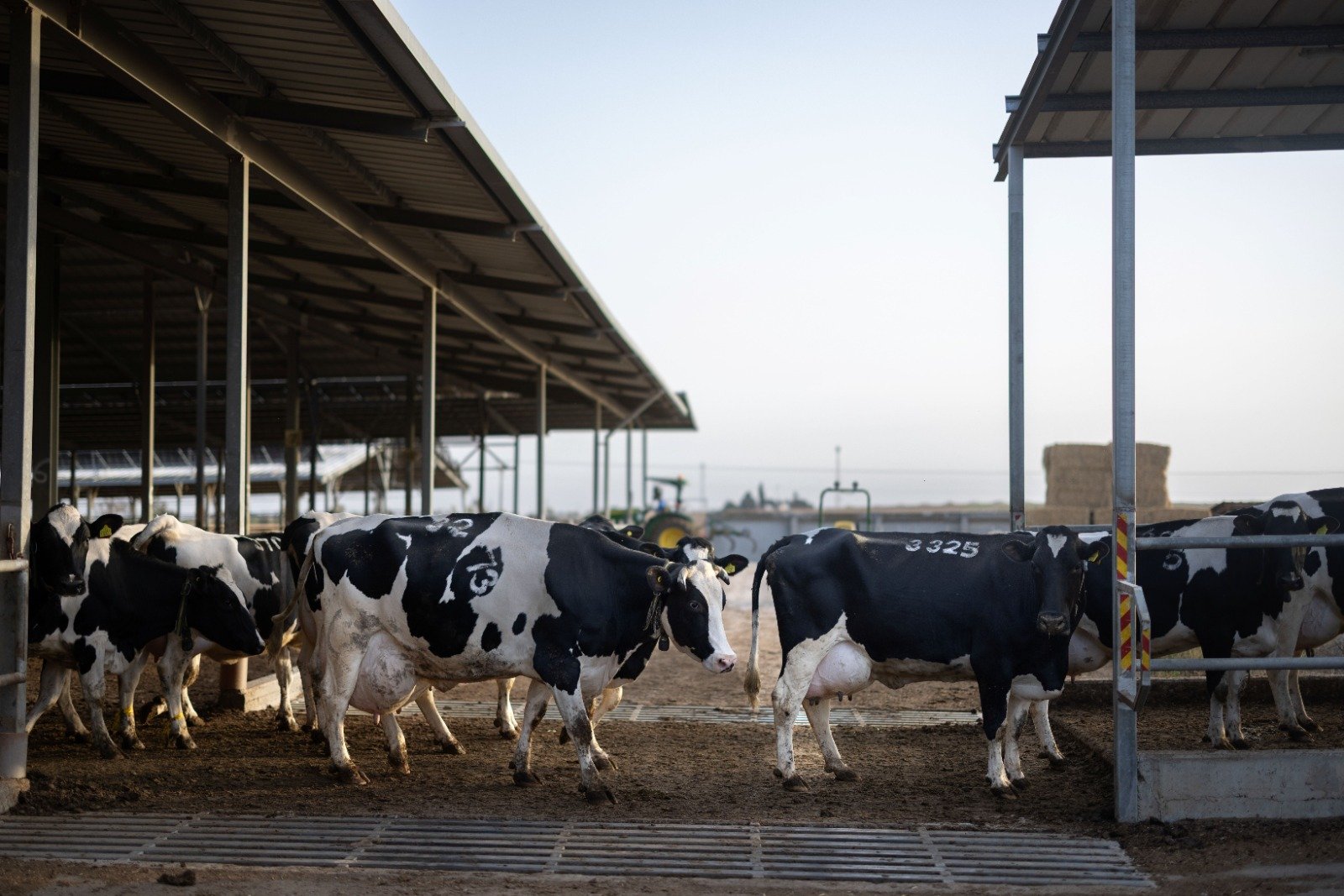
However, Bank of Israel Governor Amir Yaron on Thursday lauded the dairy reform and other aspects of the budget proposal aimed at bringing down Israel’s sky-high cost of living and urged the government to “adopt the necessary measures” to achieve it.
Among the other measures he welcomed were Smotrich’s proposals to expand the value-added tax exemption on personal imports from $75 to $150, and to ease restrictions for small banks to enter the market, to increase competition in the banking sector.
The latter proposal seeks to examine the possibility of reducing taxes on bank activity, but still lacks concrete details, according to Channel 12 news.
Sharon Wrobel and Sam Sokol contributed to this report.

The post”Cabinet approves 2026 state budget, overcoming defense spending rifts” is auto generated by Nepalisrael.com’s Auto feed for the information purpose. [/gpt3]
