



NepalIsrael.com auto goggle feed
In a moment Israelis long yearned for but few dared to believe would come, the body of the final hostage held in Gaza was identified and brought back to Israel on Monday, 843 days after Hamas terrorists attacked Israel on October 7, 2023.
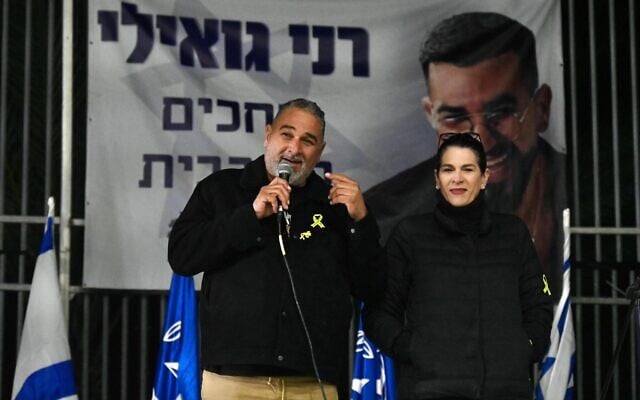
Ran Gvili, 24, a police officer killed fighting the Hamas invaders, had been the last of 251 people kidnapped that day to remain captive, following the return of the rest of the hostages, living and dead, under the current ceasefire. For more than 50 days, he was the only hostage still held in Gaza, amid Hamas’s insistence that it had been unable to locate him, leaving his family and country fearful he might never be recovered.
But on Monday afternoon, a day after announcing it had launched a pinpoint search effort in a Muslim cemetery in Gaza City thanks to specific intel, the Israel Defense Forces said it had located Gvili’s remains and was bringing them across the border, back to his parents and siblings, and to his fellow Israelis, for a proper burial.
Gvili’s return seals an excruciating chapter in the history of Israel and the Jewish people. For more than two years, amid war and adversity, masses across Israel and the world had vowed to keep protesting, praying and fighting “until the last hostage,” united across borders and backgrounds in the singular commitment to “bring them home.”
Now, that goal has been achieved. For the first time since 2014, no hostages are held in the Gaza Strip.
The Hostages and Missing Families Forum, which organized the unprecedented activism for the captives since immediately after the October 7 attack, honored Gvili as “First to go in; last to return.”
“The entire people of Israel are moved to tears,” President Isaac Herzog said in a statement. “After many difficult years, for the first time since 2014, there are no Israeli citizens held hostage in Gaza. An entire nation prayed and waited for this moment. May Ran’s memory be a blessing.”
For Gvili’s family, the news was a balm as well as a blow: Their son and brother had been found. But for a family that had spoken of always holding onto the slim hope he might be alive — despite authorities stressing there was clear evidence he was not — it was also the final confirmation that he had indeed been killed.
Talik Gvili, Ran’s mother, who had spoken and advocated tirelessly for her captive son, said learning of his return brought “a relief, after these two and a half years, even though we hoped for a different ending,” during a call with IDF Chief of Staff Lt. Gen. Eyal Zamir.
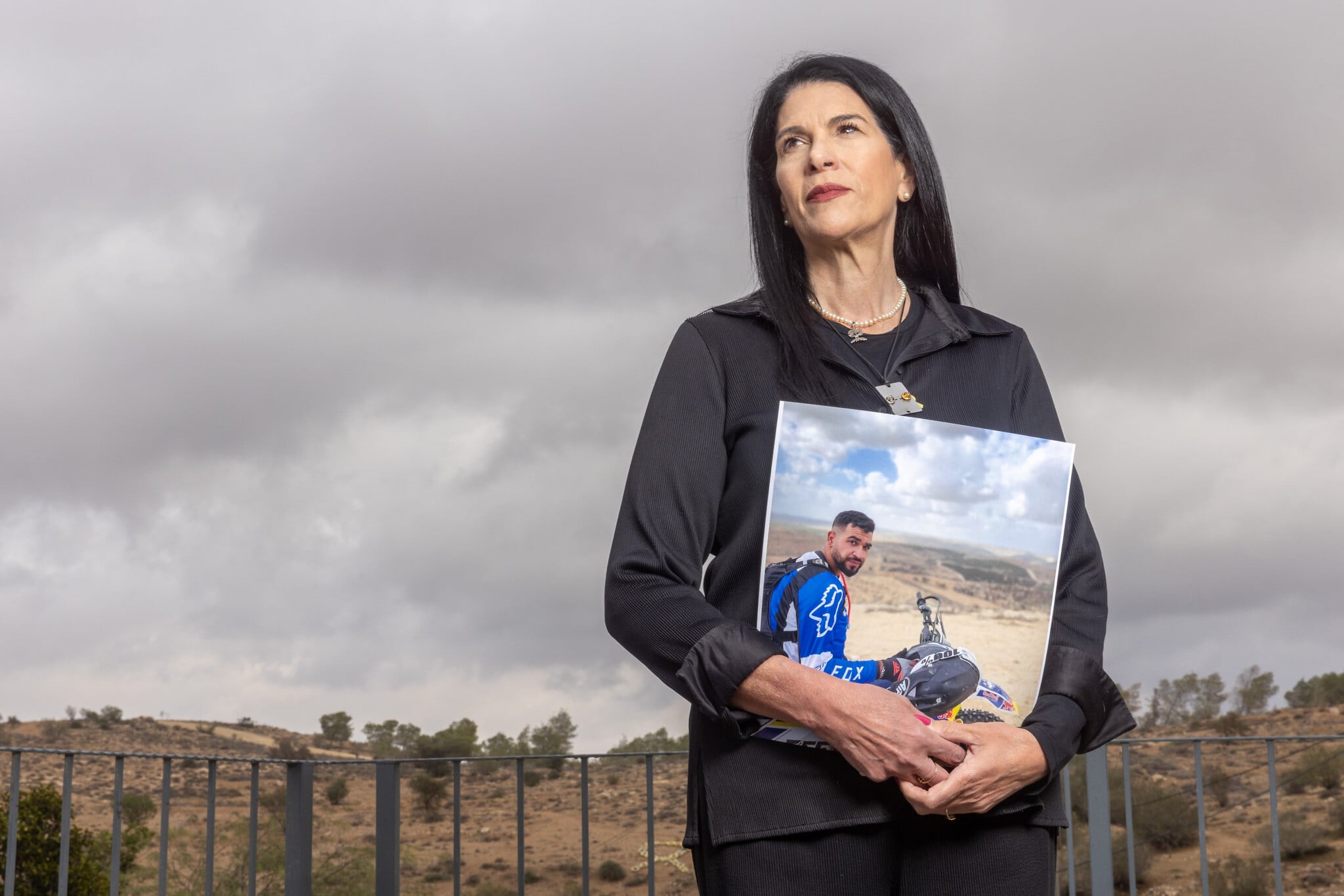
On Facebook, she wrote, “The first to go out, the last to come back. Our hero.”
His funeral will be held on Wednesday in his hometown of Meitar, near Beersheba.
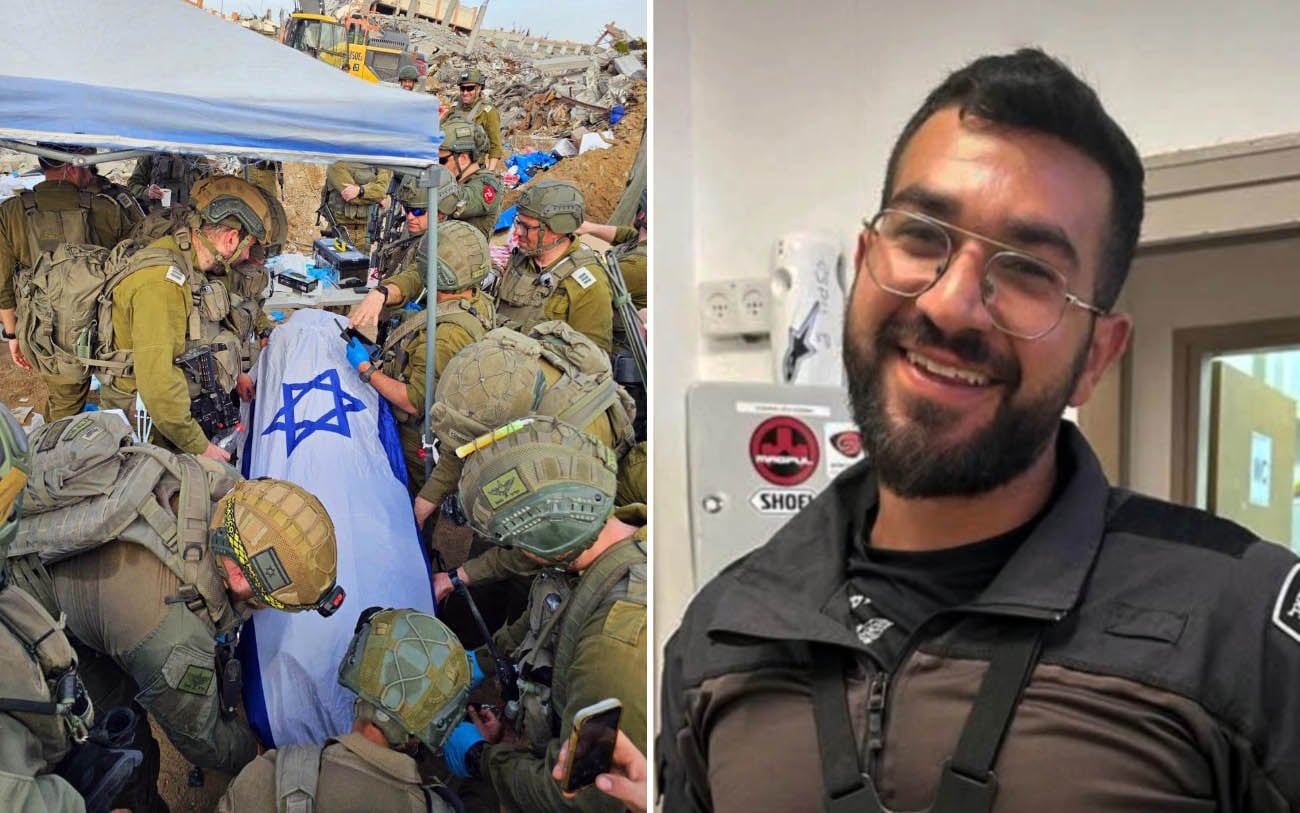
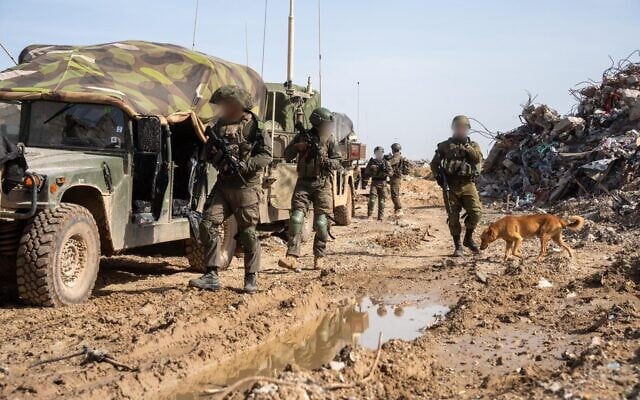
IDF troops operate at a cemetery in Gaza City during a search for the body of Master Sgt. Ran Gvili, in footage issued on January 26, 2026. (Israel Defense Forces)
A lengthy search
The Israel-Hamas ceasefire, signed in early October 2025, mandated that the terror group release all living and deceased hostages in its possession within 72 hours of the agreement taking effect. But the process of the deceased hostages’ return dragged on for far longer than that, as bodies were intermittently found and brought back over the subsequent two months.
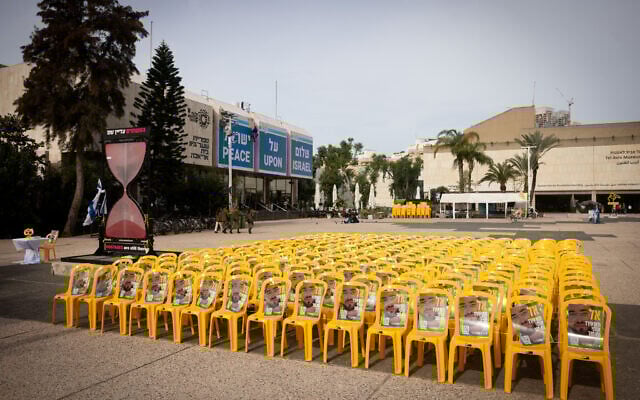
By early December, Gvili’s was the only body remaining in Gaza. While his photo hung in public spaces across Israel, activism for the hostages had receded, the hostage families’ forum began to wind down, and his family opted for smaller rallies calling for his release.
In the following weeks, searches took place across the enclave, as his family and the country received mixed signals as to whether his remains were likely to be located.
His body was found on Monday in a Muslim cemetery in eastern Gaza City, in the enclave’s north.
The IDF and Shin Bet security agency said that the intelligence indicating Gvili may be buried at the cemetery had been known for some time, though recently the picture was made clearer by intelligence-gathering operations, including the capture of a Palestinian Islamic Jihad operative, and information confirmed by Hamas to Israel via mediators.
Other intelligence leads had suggested that the body might be, or previously had been, in a tunnel on the Israeli side of the ceasefire line — which combat engineers searched — at Shifa Hospital, or at a different cemetery. The latter two sites are located on the Hamas side of the Yellow Line and were not searched by Israel amid the ceasefire.
The Shin Bet said that the Islamic Jihad operative who was captured by Israeli forces in Gaza City a month ago provided information that strengthened the intelligence assessments that Gvili was buried at the cemetery in question.
The operative had been involved in military activity against Israeli forces during the war and was suspected of being “knowledgeable about the details of the burial location” of Gvili, according to the Shin Bet.
During his interrogation, the operative “described his involvement in transferring the body between several locations and also identified additional individuals who were aware of its whereabouts,” the security agency said.
A search operation at the cemetery, involving numerous troops and forensic experts — including 20 dentists — began over the weekend.
The IDF began exhuming hundreds of bodies at the cemetery and, before Monday, had already tested around 250 of them for a potential match to Gvili.
A few hours before the news of his identification was announced, dentists deployed to the cemetery were able to confirm that the dental structure of one body matched Gvili’s. In addition, fingerprints and other tests were carried out to confirm his identity, according to the military.
The search took place on the Israeli side of the Yellow Line that divides Gaza between Israeli and Hamas control, though some forces were deployed on the Hamas side for security purposes, military officials said.
The IDF said it would be returning all of the other exhumed bodies to their graves and cleaning up the cemetery, out of respect for the dead.
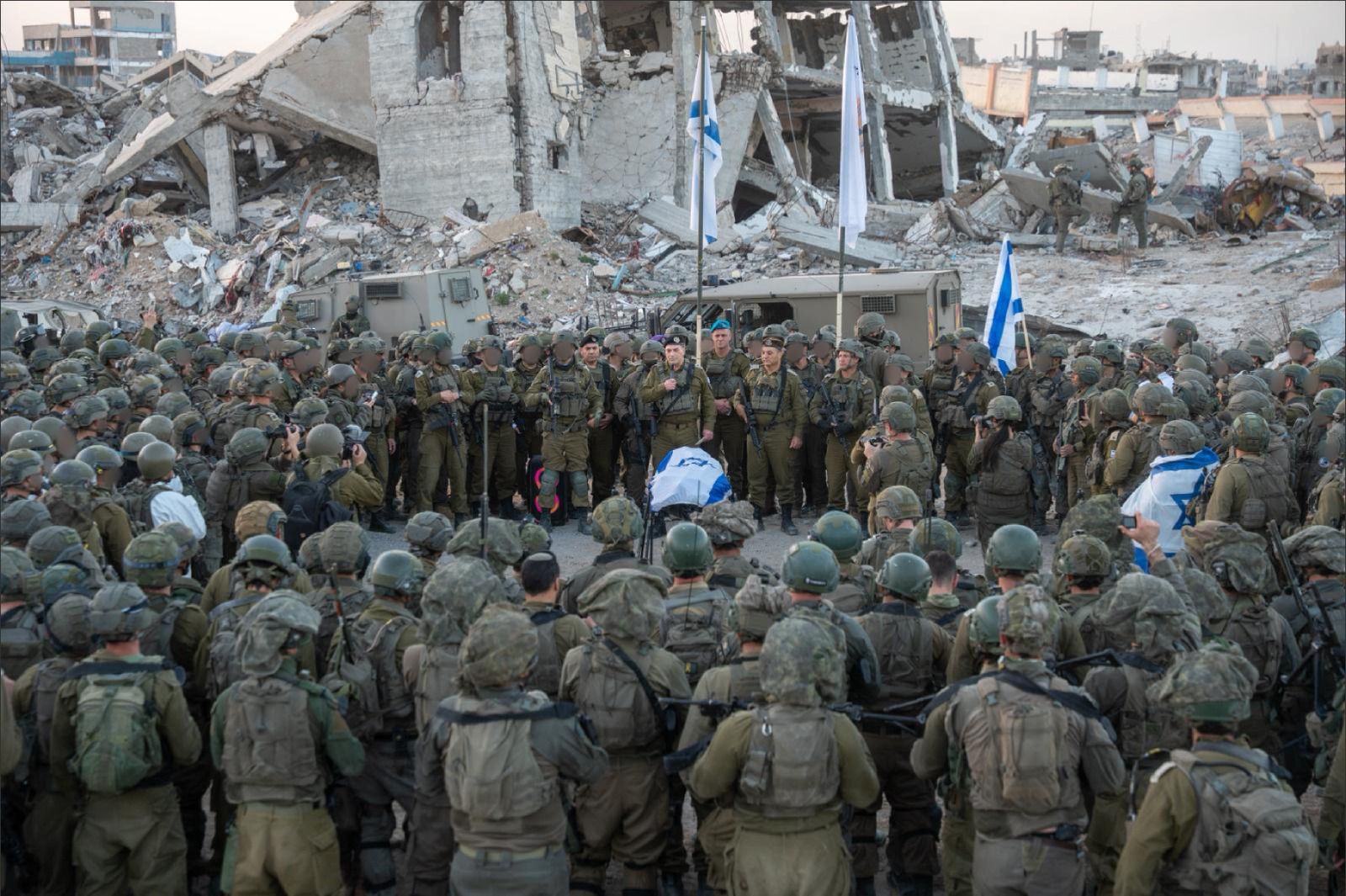
IDF troops sing at a cemetery in eastern Gaza City, where the body of Master Sgt. Ran Gvili was located and identified, January 26, 2026. (Courtesy)
Footage showed IDF soldiers at the cemetery singing “Ani Ma’amin” (I Believe). With the lyrics, “I believe with perfect faith in the coming of the Messiah, and, though he tarry, I will wait daily for his coming,” the song is a Jewish statement of faith often invoked as a symbol of resilience.
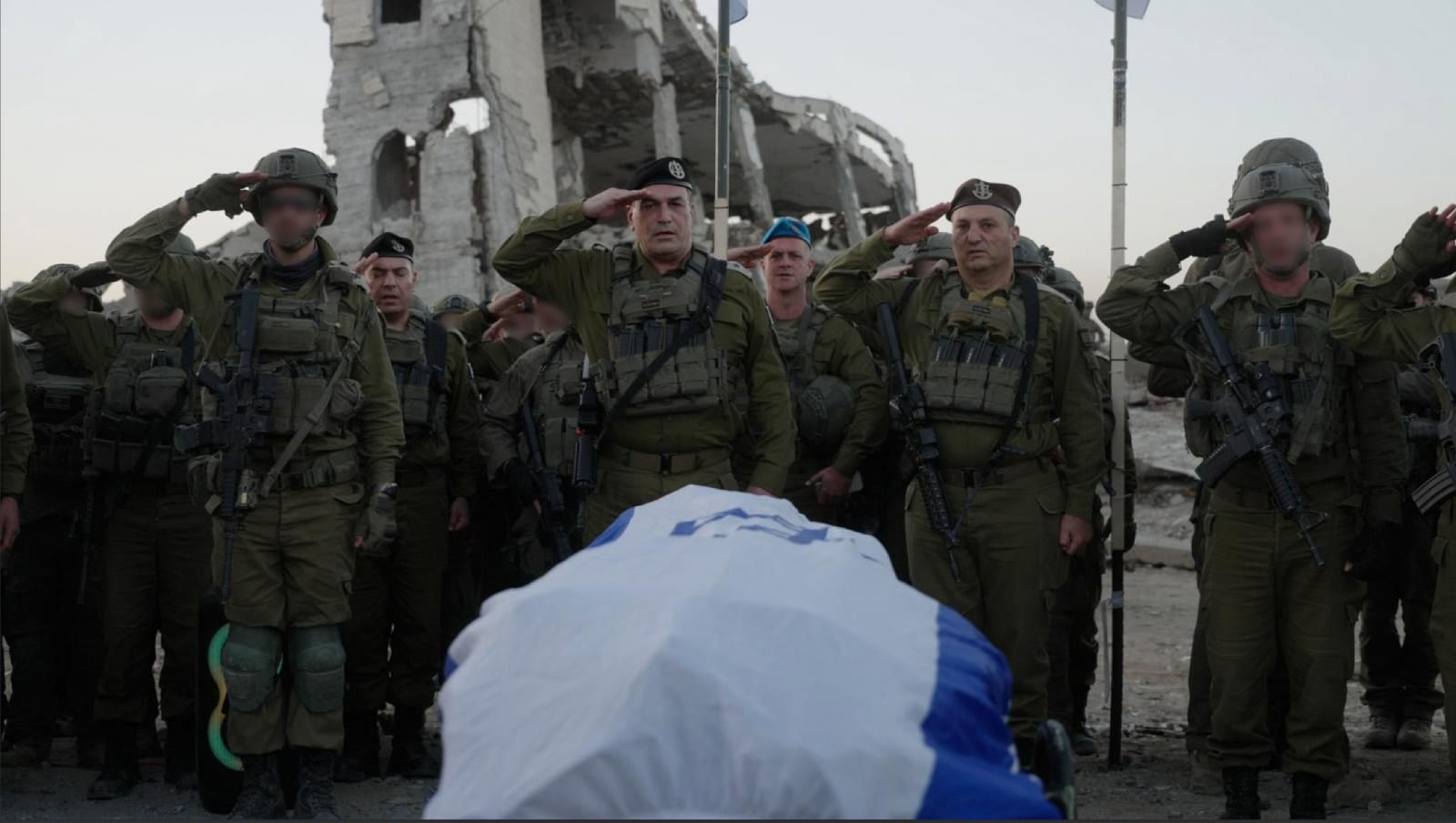
IDF Chief of Staff Lt. Gen. Eyal Zamir, Southern Command chief Maj. Gen. Yaniv Asor and other officers and troops salute the body of Master Sgt. Ran Gvili, after it was located in eastern Gaza City, January 26, 2026. (Israel Defense Forces)
Another video, taken in Gaza, shows IDF Chief of Staff Lt. Gen. Eyal Zamir, Southern Command chief Maj. Gen. Yaniv Asor and other officers and troops saluting Gvili’s body after it was located.
The forces were heard singing Hatikvah, Israel’s national anthem.
Gvili was awaiting surgery for a broken shoulder on October 7, 2023, when he began hearing about the Hamas invasion, a 50-minute drive from his family home in Meitar.
He threw on his uniform, hopped on one of his motorcycles, and sped to Kibbutz Alumim, where he battled Hamas terrorists for hours before he was killed.
“We knew where he was, he sent a location, he sent a selfie of his injury, and was in touch with his staff, he knew that backup was on the way,” his mother said in a recent interview with The Times of Israel.
Only on January 30, 2024, did the IDF inform the Gvilis that intelligence showed that Ran had been killed and his body abducted to Gaza.
‘We brought everyone back’
Contacting the family after Gvili’s body was found, Police Chief Daniel Levy spoke with his father, Itzik, and stressed the “determination and bravery” evinced by Gvili, “an officer in the Yasam [counter-terror] unit who shielded Israeli civilians with his body, sacrificing himself.”
Levy told Itzik Gvili that he “extended a warm embrace to him and his family on behalf of the officers and warriors in the Israel Police,” police said in a statement.

Speaking to the media in the Knesset, Prime Minister Benjamin Netanyahu called the return of Gvili’s body “an extraordinary achievement for the Israel Defense Forces, the State of Israel, the citizens of Israel, because you gave us the backing to complete the work.”
“We promised, and I promised, to bring everyone back, and we brought everyone back,” he said, “to the very last one.”
“Rani is a hero of Israel. He went in first, he came out last. He came home,” said Netanyahu.
Foreign Minister Gideon Sa’ar also welcomed Gvili’s return, writing that “the promise has been fulfilled” and thanking security forces “for their tremendous efforts,” in a Hebrew-language post on X.
Defense Minister Israel Katz said in a statement that Gvili’s return was “a painful moment of closure,” as well as “a moment that underscores the State of Israel’s commitment to its soldiers and citizens: to bring every single one home.”
The return of Gvili’s body is also a milestone in the Gaza ceasefire, whose second phase US President Donald Trump inaugurated last week, setting up organizations that will oversee Gaza’s postwar reconstruction and governance.
Hamas said on Monday that the return of Gvili’s body proved its commitment to the terms of the ceasefire.
“The discovery of the body of the last Israeli captive in Gaza confirms Hamas’s commitment to all the requirements of the ceasefire agreement in the Gaza Strip, including the prisoner exchange,” Hamas spokesman Hazem Qassem said in a statement.
Israel will hand over at least 15 bodies to Gaza’s Health Ministry after Gvili’s body is returned, a source with knowledge of the details told The Times of Israel.
The ratio of Palestinian bodies handed over for every hostage body returned is usually 15:1, but as Gvili is the final slain hostage, Israel might hand over more.
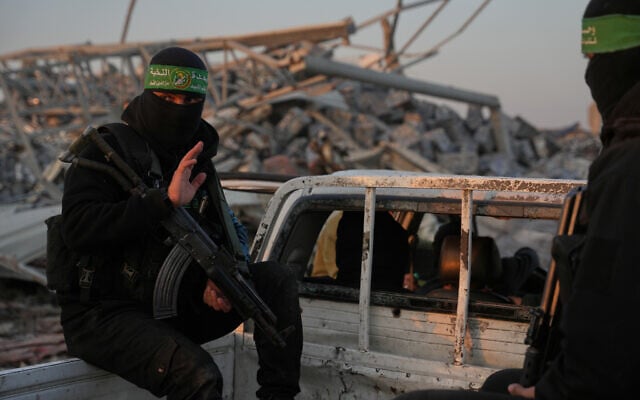
Hamas said in its statement that it will cooperate with a newly formed Palestinian technocratic committee meant to run Gaza’s daily affairs. The terror group also accused Israel of violating the ceasefire.
“Hamas will continue to adhere to all aspects of the agreement, including facilitating the work of the National Committee for the Administration of Gaza and ensuring its success. We call on the mediators and the United States to compel the ‘occupation’ to stop violating the agreement and to implement its required obligations.”
But the next phase of the ceasefire, Netanyahu said on Monday, is “disarming Hamas and the demilitarization of the Gaza Strip.”
“The next phase is not reconstruction,” he stressed at the Knesset.
“The next phase is disarming Hamas and the demilitarization of the Gaza Strip,” he repeated. Netanyahu said that it is in Israel’s interest “to advance this phase, and not to delay it.”
“It will happen the easy way, or the hard way,” said the premier. “But it will happen.”
The post”All of them home now: Body of last hostage Ran Gvili found in Gaza, returned to Israel” is auto generated by Nepalisrael.com’s Auto feed for the information purpose. [/gpt3]
