




NepalIsrael.com auto goggle feed
As Iran increasingly launches ballistic missiles carrying cluster bomb warheads at Israel, indiscriminately spreading dozens of small munitions over a wide area, the Israeli Air Force faces a constant dilemma whether or not to shoot them down.
Military officials said Thursday that since the cluster bombs are unlikely to cause significant harm if civilians are sheltering, there are times when the IAF chooses not to shoot down all or some of the bomblets to conserve its stockpile of short-range interceptors.
Iran has fired over 350 ballistic missiles at Israel since the start of the war on February 28. The Israel Defense Forces assessed 10 days into the war that around half of the missiles launched were carrying cluster bomb warheads, as opposed to conventional warheads with hundreds of kilograms of explosives. That percentage appears to have increased in recent days.
Unlike Iran’s conventional warheads, the cluster bombs open up while descending — often at a very great height — and scatter between 24 and 80 smaller munitions, each with a few kilograms of explosives, in a radius of up to 10 kilometers (6 miles), according to the IDF.
The munitions do not have their own propulsion or guidance and simply fall to the ground, where they are designed to explode on impact. Some of the submunitions do not explode upon hitting the ground, and can then still pose a danger to anyone who happens upon them.
Nine deaths and several other injuries have been caused by cluster bomb impacts so far. On Wednesday alone, an elderly couple was killed after a cluster bomb hit their home, apparently while they were trying to reach their safe room, in Ramat Gan; a foreign worker was killed in a central town; and four Palestinian women were killed in the southern West Bank.
Military officials said Thursday that the IAF was not sparing any effort to defend Israeli civilians, and would work to intercept any threat, but stressed that the bomblets are almost certain not to cause any harm to civilians if they are sheltering in a protected space.
Indeed, all deaths and injuries caused by the impacts were inflicted on people who were not inside shelters as required.
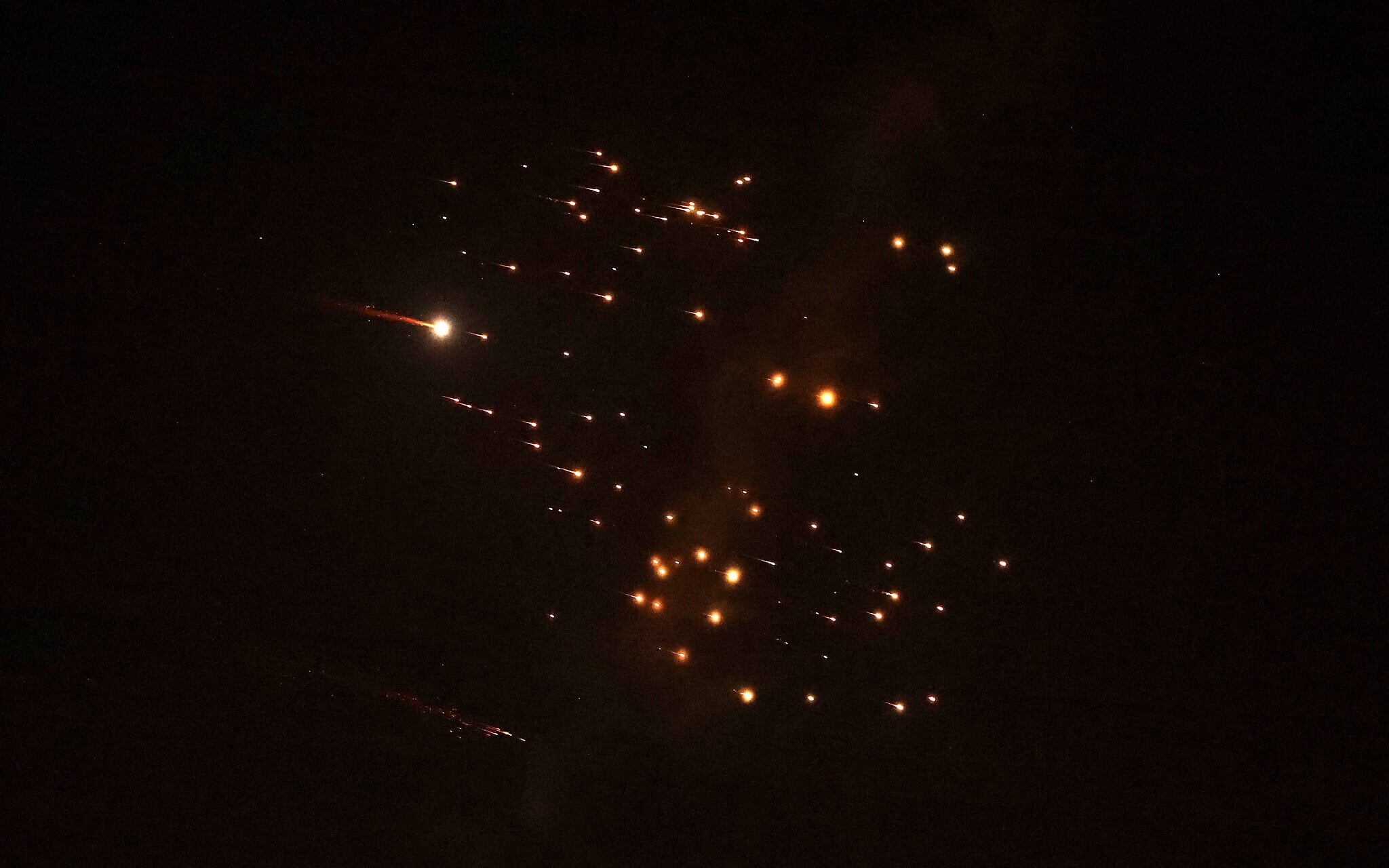
The few kilograms of explosives from the cluster bombs can and have caused material damage, as well as injuries to those who have been outside of protected space; however, they cannot penetrate bomb shelters, military officials said.
The missiles carrying cluster bombs can be intercepted before they open up using long-range air defense systems like Israel’s Arrow. However, once the warhead opens up, the dozens of bomblets would be engaged by shorter-range systems, like the Iron Dome.

According to the IDF, the interception rate of Iranian missiles heading for populated areas or key infrastructure since the start of the war stands at 90%. Military officials also said the IAF has been making constant improvements to its air defenses, even amid the war.
There have been more than two dozen incidents of missiles carrying cluster bomb warheads hitting populated areas — with over 100 separate impact sites — along with three missiles carrying conventional warheads that caused extensive damage.
Human rights groups have long campaigned for cluster bombs to be banned due to the random, indiscriminate nature of the threat they pose, unlike other types of munitions that can be used to precisely target combatants or military assets while minimizing harm to civilians.
‘In 18 days, we flew as much as we would in a year’
Also on Thursday, the military said the Israeli Air Force had dropped over 12,000 bombs in Iran since the start of the war, in over 8,500 separate strikes on Iranian regime targets.
A senior IAF official said that “in 18 days, we flew as much as we would in a year.”
Of the 12,000 munitions, 3,600 alone were used in strikes in Tehran, according to the IDF.
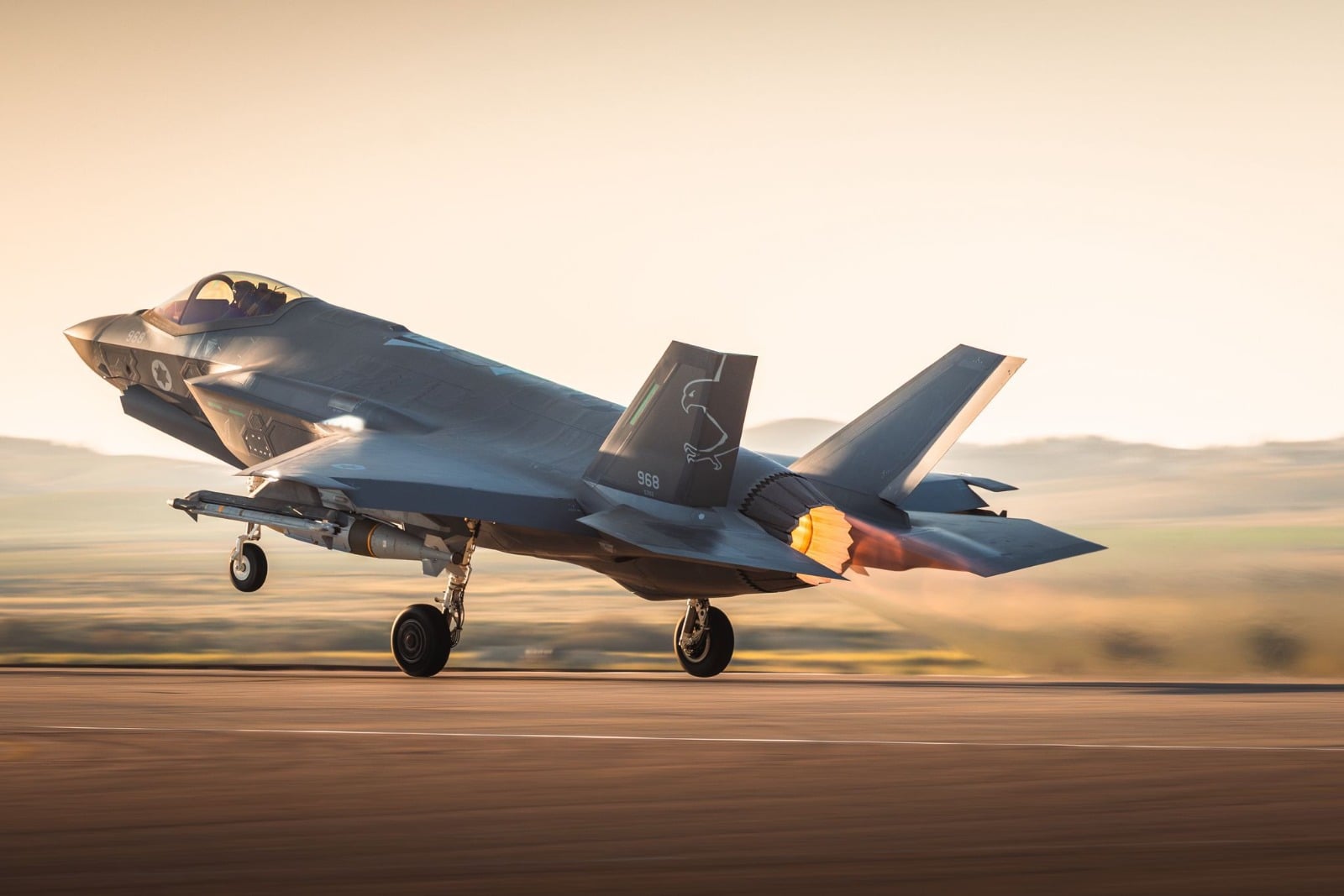
IAF fighter jets have carried out 5,700 separate sorties. A total of 540 waves of strikes have been carried out in central and western Iran, and 50 waves deeper east.
Military officials said that the IAF is carrying out constant air operations over Iran to thwart ballistic missile fire on Israel, using new techniques that allow for longer operations without the need for refueling.
In this formation, dubbed “metro sorties” by the IAF, drones and fighter jets loiter before carrying out strikes on ballistic missile launchers, Iranian soldiers, and other targets, based on “real-time information.”
When a new target is identified, IAF aircraft can be quickly dispatched to strike it. This was the case for the killing of Iran’s intelligence minister, Esmaeil Khatib, in Tehran on Wednesday, according to the IDF.
Military officials said this effort relies on maintaining air superiority over Iran.

The military assessed that its strikes have destroyed around 85% of Iran’s air defense and detection systems. More than 300 targets relating to Iran’s air defenses, including missile launchers and radars, have been struck, the IDF says.
In terms of Iran’s advanced air defense systems, the IAF assesses that it has destroyed 92% of them, with only a handful of such systems remaining, including some that are hidden and not in use.
The IDF said it has destroyed around 80% of Iran’s older air defense systems, along with 80% of its radars.
Iran also has what the military describes as “decentralized” air defense systems, where missile launchers are connected to various optical systems, such as rudimentary cameras with artificial intelligence tracking software, to target Israeli aircraft. Some 75% of these systems have been destroyed, and military officials acknowledge they are much harder to locate than the advanced systems.
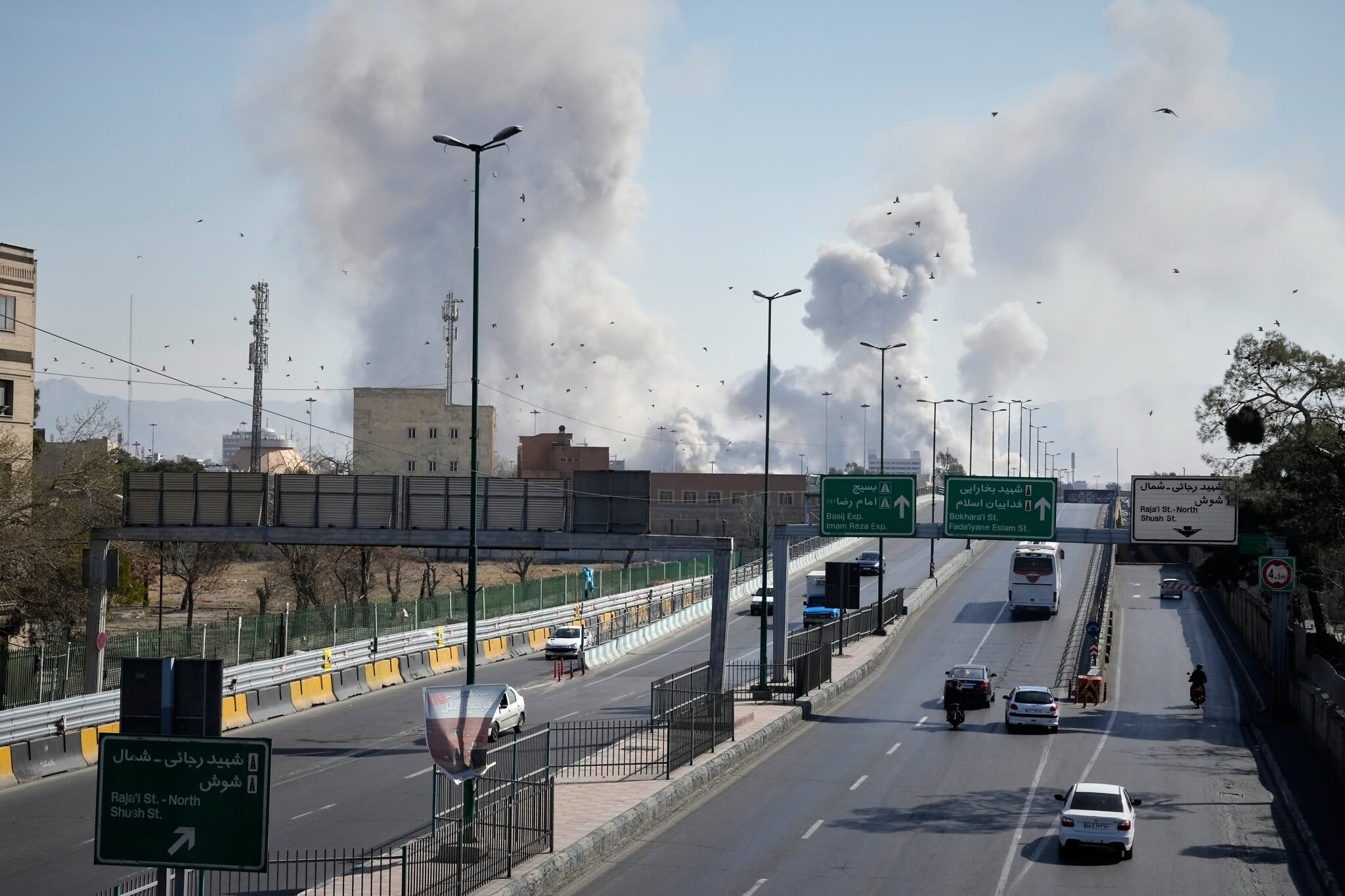
Additionally, the IDF said it has destroyed or disabled around 60% of Iran’s estimated 470 ballistic missile launchers. Some previous military estimates put this number at 70%.
Around 200 of the launchers were destroyed in strikes, while another 80 are not considered to be operational after the IAF struck tunnel entrances to subterranean facilities where they are stored, according to the military.
The IAF said it continues to hunt down the remaining roughly 200 launchers to reduce the missile fire on Israel.
The military also assessed that Iran still has hundreds of ballistic missiles that can reach Israel. It has so far launched over 350 at Israel, with the rate of fire slowing to 10-20 missiles a day in the past week, with just one or two missiles at a time.
The post”To conserve interceptors, IAF choosing not to shoot down some Iranian cluster bomblets” is auto generated by Nepalisrael.com’s Auto feed for the information purpose. [/gpt3]
