


NepalIsrael.com auto goggle feed
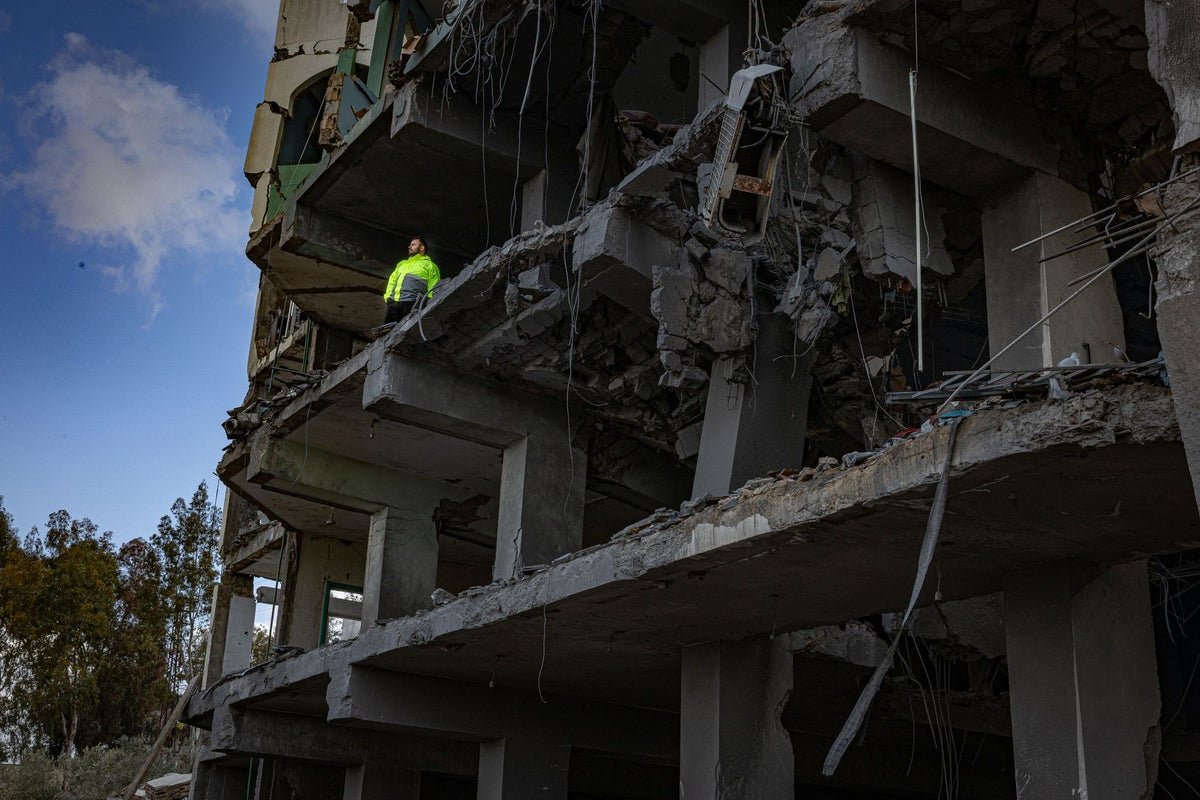
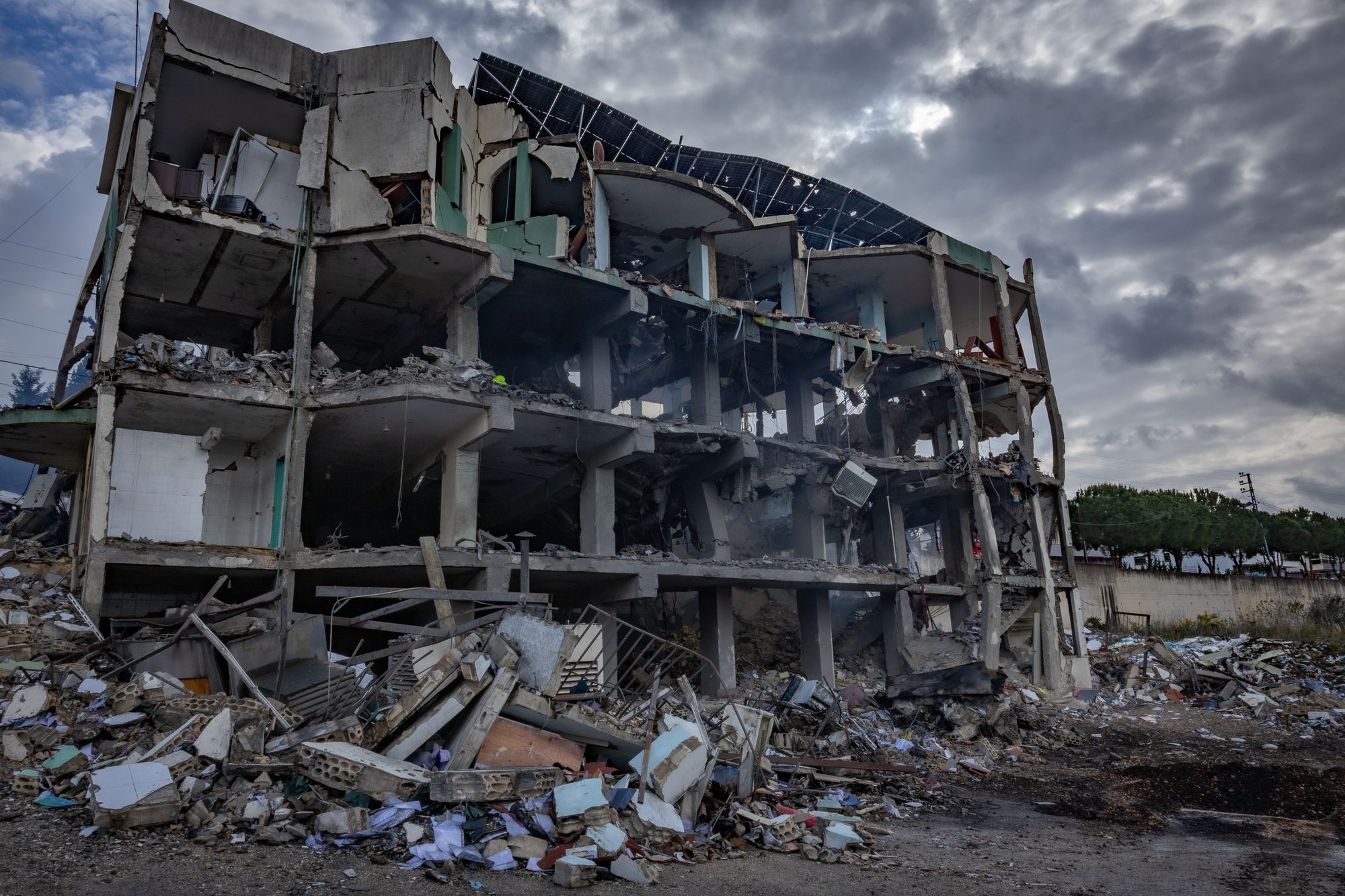
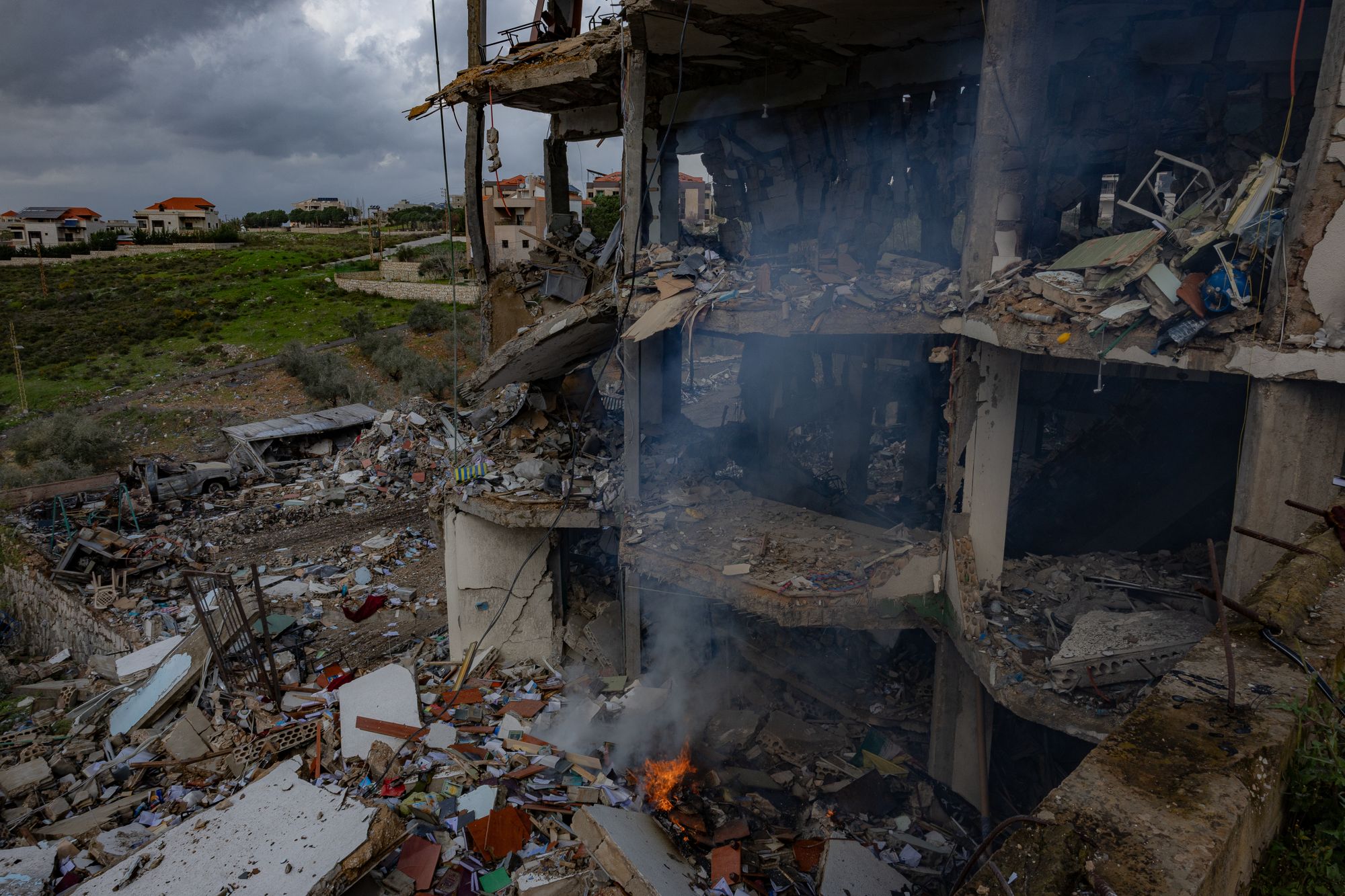
The Israeli strike on the healthcare centre was so huge that it felt like an earthquake. Without warning, the missile tore through the four-storey building in southern Lebanon, punching open concrete floors, eviscerating every wall, and gouging out a multistorey crater in the ground.
The dozen medics based there, whose job it was to respond to the injured across 20 nearby villages, were finishing dinner. There was nowhere to hide.
“The bodies were everywhere, in pieces,” says Ali Shaimi, 51, a first responder with the Hezbollah-linked Islamic Health Authority, which ran the centre. He is speaking to The Independent beside the skeletal remains of the building, which is still partly on fire and sending acrid, choking smoke into the air.
Describing the attack as like an “earthquake”, he says he rushed to tend to the wounded, only to realise there were none.
Abbas Hijazi, 36, another rescuer who was in a building across the street when the explosion happened, said the force of the blast smashed the doors in, briefly penning him in.
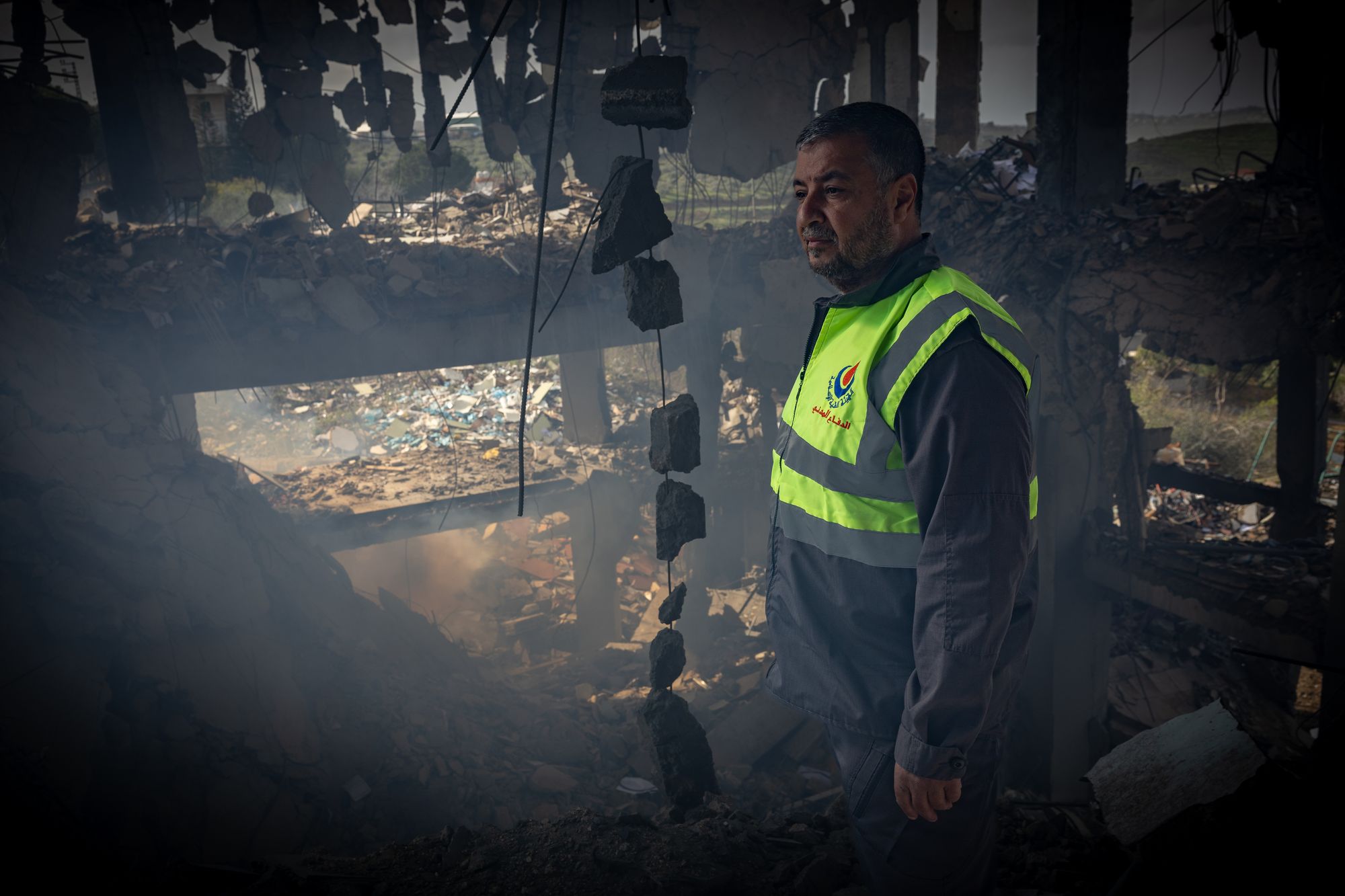
“The faces of the medics were so disfigured, you couldn’t work out who was who,” he adds, visibly shaken, to the staccato beat of nearby Israeli strikes. “It was incredibly hard. These are our colleagues, our friends. We work with them every day.”
This is Burj Qalaouiyah, about 11km (seven miles) from Lebanon’s southeastern border with Israel, and firmly within the epicentre of Israel’s massive assault on the country and its armed group Hezbollah, which erupted two weeks ago.
Abdullah Nour al-Din, who works at the Islamic Health Authority, tells The Independent that the clinic provided services to 20 surrounding villages, including an emergency ambulance, an emergency room, a pharmacy, a first aid centre and a clinic.
On Friday it was pounded by a missile strike that killed at least 12 doctors, paramedics and nurses, according to the World Health Organisation.
On the same day, two paramedics were also killed in an attack on a health facility four kilometres further south in al-Souaneh, the WHO’s director general Tedros Adhanom Ghebreyesus said in a post on X, adding that it was “a tragic development in the escalating Middle East crisis”.
The Israeli military told The Independent it was aware of reports of a strike on Burj Qalaouiyah, and that the incident was under review. Medical facilities are protected under international law, and direct attacks on them, if carried out with criminal intent, could amount to war crimes, according to Human Rights Watch.
But the Israeli military’s Arabic spokesperson Avichay Adraee warned on Saturday that the army would strike ambulances and medical facilities it said were being used unlawfully by Hezbollah in Lebanon “for military purposes”, though it did not provide evidence for this claim.
A Hezbollah official said the group was not using ambulances and medical facilities for military purposes. Hajj Salman Harb, Hezbollah’s media officer for the area surrounding Burj Qalaouiyah, accused Israel of “terrorising civilians” by targeting medical and civilian facilities.
Lebanon was dragged into the regional conflict earlier this month when Iran-backed Hezbollah fired at Israel after massive US and Israeli strikes killed Iran’s supreme leader.
Since then, Israel has pounded swathes of the country, killing at least 850 people and wounding 2,100 more, according to health authorities. It has also put large areas of the country under evacuation orders, forcing more than 800,000 people to flee their homes.
Among the dead are 32 healthcare workers, while nearly 60 have been injured, according to the Lebanese ministry of health. Over the same time period, 30 ambulances and 13 medical centres have also been attacked, and dozens killed.
Lebanese health minister Rakan Nassereddine told The Independent he feared the strikes on the healthcare system were not isolated or accidental and that they would impede the country’s ability to treat thousands of wounded.
“Unfortunately, ambulances are being attacked. Nurses are being attacked. We have a number of hospitals that have been attacked or are under threat, and five are now out of service,” he told The Independent in Beirut. “This is against the Geneva Conventions,” he added.
Israel has repeatedly been accused of deliberately targeting healthcare services in the region, an accusation it has vehemently denied.
In 2024, during the last war between Israel and Lebanon, Human Rights Watch said that Israel’s attacks on Lebanese medical workers and healthcare facilities amounted to war crimes and called for international investigations.
Last summer, United Nations experts accused Israel of “medicide” in Gaza, saying that “health and care workers have been continuously targeted, detained, tortured and starved”, and that hospitals had been attacked, bombed, besieged and raided.
The concern is that the same pattern may play out in Lebanon during this conflict, says Ghassan Abu Sittah, a prominent British-Palestinian plastic surgeon who worked in Gaza and is currently in Lebanon treating some of the most gravely wounded children.
“My fear is that the Israelis will do what they were doing in Gaza, and what they did in the previous war, which is start to take out one hospital after the other to increase the pressure by reducing the capacity of the health system,” he tells The Independent.
“By the end of the last war in Lebanon, we had lost access to eight hospitals. That’s my biggest fear. The system collapses.”
So far, the deadliest attack was in Burj Qalaouiyah, where the constant pounding of Israeli strikes sounds in the background. The floor is littered with smashed test tubes, destroyed medicines, and the shredded belongings of the medics who were killed.
“We saw them just two hours before, they are eating. These were our colleagues and friends. We saw and worked with them every day,” Hijazi, 36, says with a hopelessness in his voice. “It was one of the hardest scenes I have seen.”
The post”‘It was like an earthquake’: Israeli strike kills 12 medics in bloody attack on Lebanon’s healthcare system” is auto generated by Nepalisrael.com’s Auto feed for the information purpose. [/gpt3]
