



NepalIsrael.com auto goggle feed
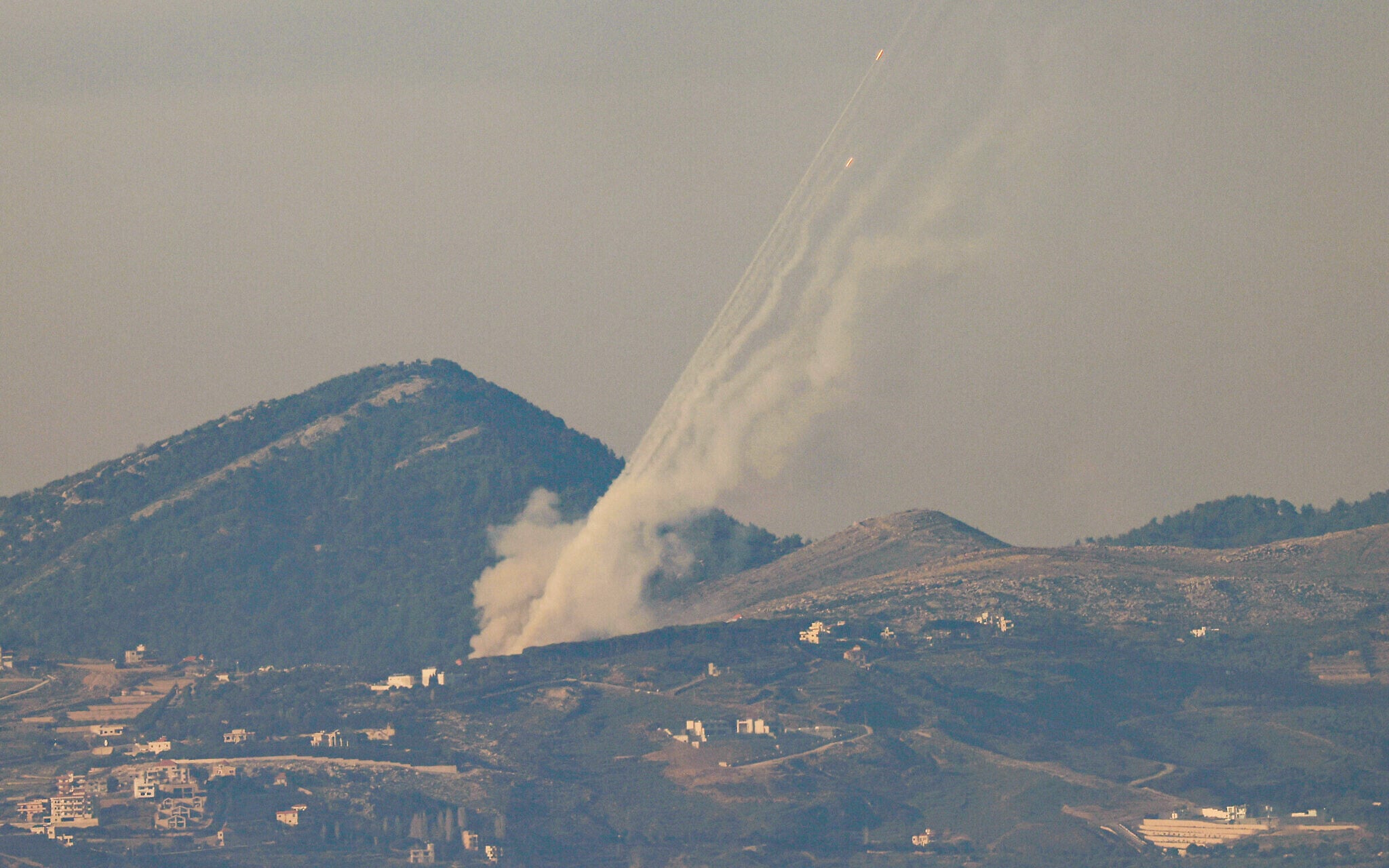
Eight Israeli soldiers were wounded, five of them seriously, in a Hezbollah rocket attack in northern Israel on Friday, the military said.
The rocket struck an army position near the Lebanon border. An alert sounded in the area, though the soldiers did not manage to seek shelter in time, according to a preliminary probe by the Israel Defense Forces.
The troops, who all serve with the Givati Brigade, were taken to a hospital for treatment. Five were listed in serious condition and three were lightly hurt, the army said.
Among those lightly injured by the rocket strike was the son of Finance Minister Betzalel Smotrich, the minister’s office said.
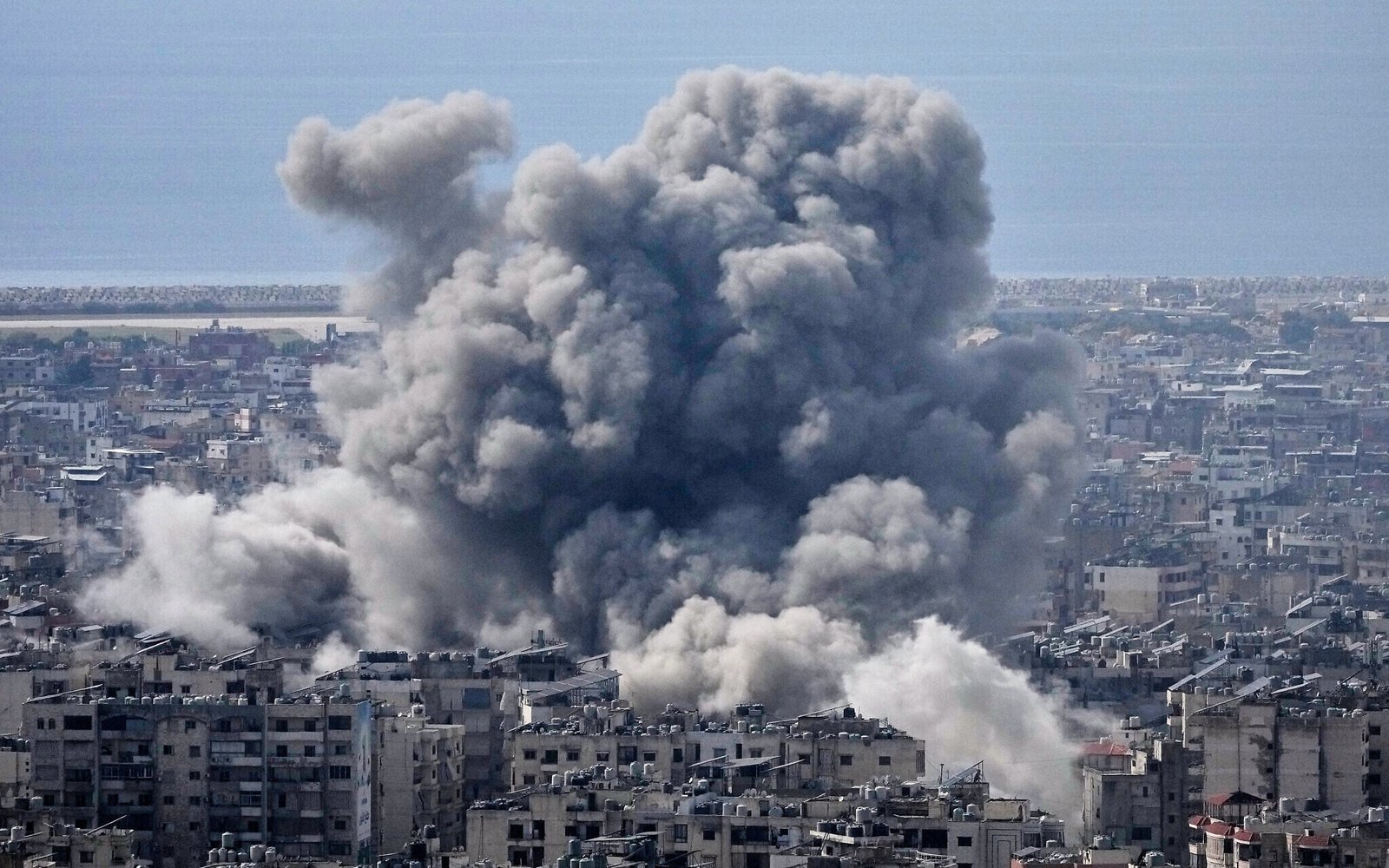
The Israeli Air Force launched airstrikes in Beirut overnight and throughout Friday, as officers from Iran’s Revolutionary Guards reportedly fled the Lebanese capital amid Israel’s attacks.
According to the IDF, overnight strikes hit 10 multi-story buildings that were being used by the terror group in Beirut’s southern suburbs, a Hezbollah stronghold known as the Dahiyeh.
The buildings, including a drone warehouse and the headquarters of Hezbollah’s executive council, “were intended to be used by Hezbollah to advance and carry out numerous attacks against IDF troops and the State of Israel,” the military said in a statement.
A wave of strikes in the afternoon in the Dahiyeh struck a headquarters of Iran’s Islamic Revolutionary Guard Corps, as well as several Hezbollah sites.
According to the IDF, the headquarters served the IRGC air force. In addition, the military said it struck three Hezbollah headquarters — of the terror group’s naval force, executive council, and financial division.
יותר מ-500 מטרות הותקפו בלבנון מתחילת מבצע ״שאגת הארי״
הותקפה מפקדה של משמרות המהפכה ששימשה את ארגון הטרור חיזבאללה בלבנון
צה”ל תקף מוקדם יותר היום והשלים גל תקיפות נוסף ברובע הדאחייה שבביירות לעבר מספר מפקדות טרור.
בין המפקדות שהותקפו:
– מפקדה בשימוש חיל האוויר של משמרות… pic.twitter.com/8fSfIq2Nah— צבא ההגנה לישראל (@idfonline) March 6, 2026
The IDF strikes in Beirut were preceded by a mass evacuation order for residents in all four major neighborhoods of the Dahiyeh. Lebanon’s Prime Minister Nawaf Salam warned Friday that the displacement risked a “humanitarian disaster.” The UN said Israel’s blanket evacuation orders raised “serious concern” under international law. Israel says the evacuations are meant to prevent harm to civilians as it targets terror infrastructure.
The IDF also issued evacuation orders in Hezbollah strongholds in southern Lebanon and in the country’s eastern Beqaa Valley.
Hezbollah, for its part, issued its own evacuation warning for Israeli towns near the border with Lebanon on Friday, apparently in a sardonic rejoinder to Israel’s Dahiyeh evacuation order. Israel has said it is not evacuating northern Israeli towns, and instead has launched a ground and air offensive aimed at pushing Hezbollah away from the border.
And unlike the hundreds of thousands who have answered Israel’s call to leave in Lebanon, there is little evidence of mass departures from northern Israel, despite a rise in rocket attacks from Lebanon.
עשרים ושישה גלי תקיפות בדאחייה מתחילת המערכה: חיל-האוויר תקף הלילה בביירות מפקדות ועשרה מבנים רבי קומות שבהם תשתיות צבאיות של ארגון הטרור חיזבאללה
צה״ל השלים במהלך הלילה גל תקיפה רחב בביירות, נגד תשתיות טרור של ארגון הטרור חיזבאללה.
במסגרת התקיפות הותקפה המפקדה של המועצה… pic.twitter.com/ixUojnQ3ds
— Israeli Air Force (@IAFsite) March 6, 2026
Meanwhile, Lebanese state media reported Friday that Israel struck a building on a main thoroughfare in the southern coastal city of Sidon with no prior warning. The IDF has not commented on the reports.
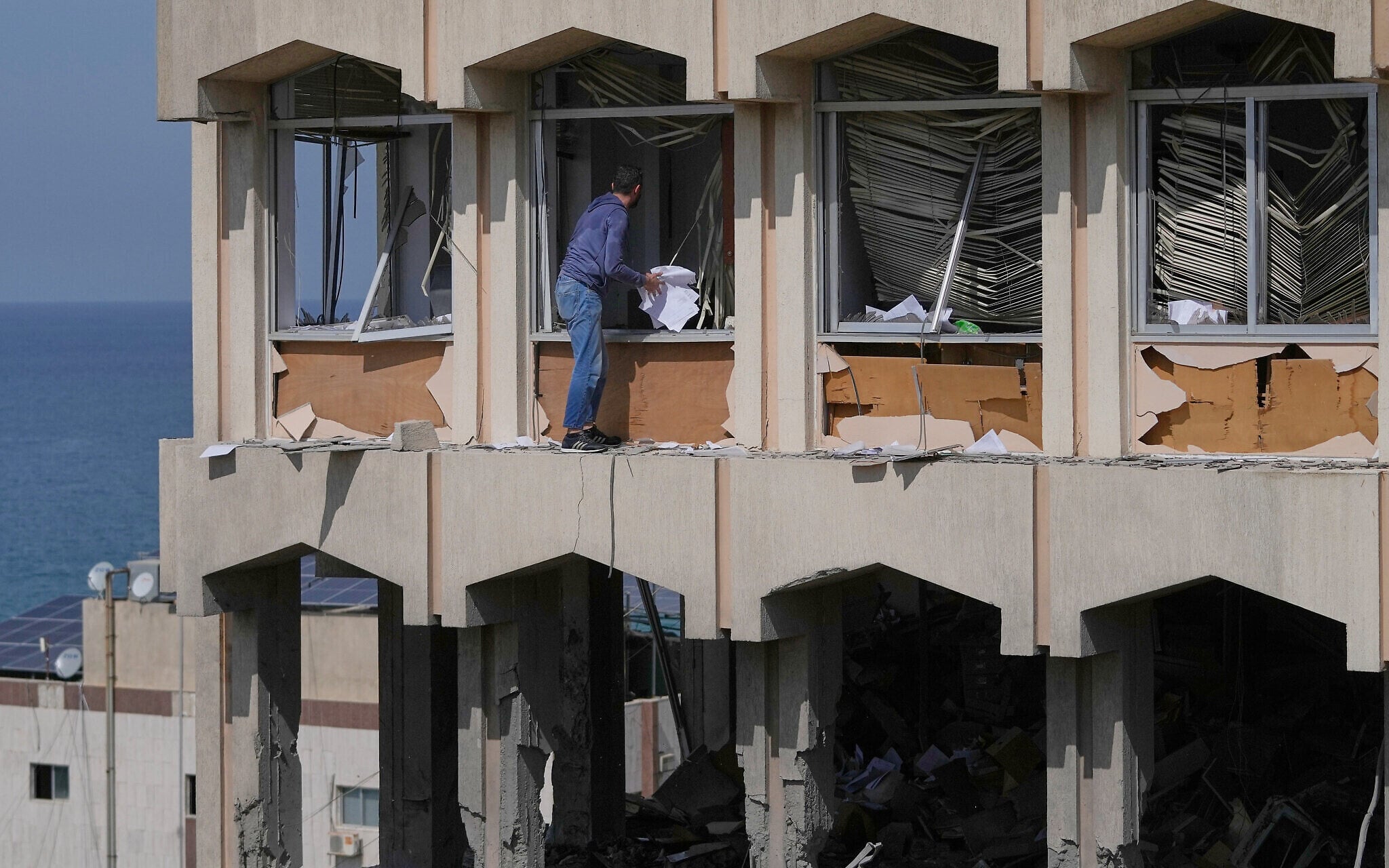
An AFP photographer said the strike targeted the 10th floor of an office building near two shelters for displaced people. According to Lebanon’s Health Ministry, at least five people were killed and seven others wounded.
At least 123 people have been killed and 683 wounded in Israeli airstrikes in Lebanon after Hezbollah waded into the regional conflict earlier this week, according to the ministry, which does not distinguish between civilians and combatants.
IDF Spokesman Brig. Gen. Effie Defrin said Friday that the military has killed more than 70 Hezbollah operatives in strikes in Lebanon since Hezbollah joined the fray.
According to the IDF, since Hezbollah attacked Israel on Monday, the military has struck over 500 targets in Lebanon, including 170 rocket launchers. On Friday alone, over 100 targets were struck, the army said.
Israel has also sent troops deeper into Lebanon following the renewed Hezbollah attacks. At least five IDF soldiers have been wounded fighting inside Lebanon, including an officer who was seriously wounded, according to the military.
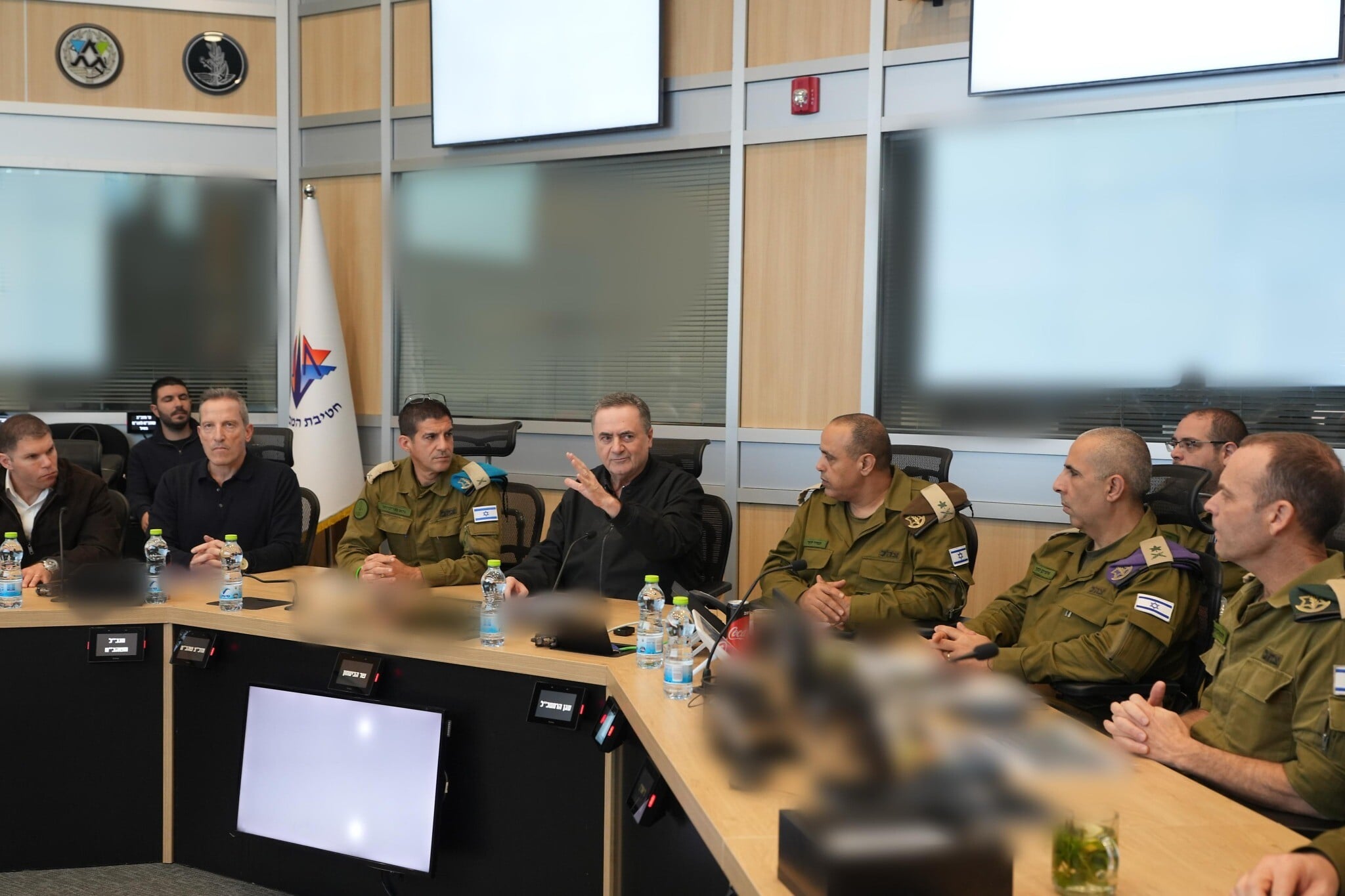
In an assessment with senior IDF officers on Friday, Defense Minister Israel Katz said Israel would defeat Hezbollah “one way or another” and that no resident of northern Israel should have to evacuate.
“No resident of the north should have to leave or move from their land and communities, and our mission is to ensure and guarantee their safety and security,” said Katz, according to his office. “The IDF has reinforced troops inside enemy territory and has now significantly expanded to additional positions.”
“We will do this until Hezbollah is defeated, one way or another,” he added.
Among those killed in Israel’s strikes in Lebanon since Monday are Iranian officials and senior officers in Iran-backed terror groups, according to the military, Arabic media reports, and the organizations themselves.
Citing senior Israeli defense officials and a third source with knowledge of the matter, Axios reported overnight that dozens of IRGC officers had fled Lebanon in the past two days over fears they could be targeted by Israel.
According to the news site, most of the fleeing officers are from the Quds Force, the IRGC’s extraterritorial branch, who serve as military advisers for Hezbollah and hold significant sway over its operations.
“We expect the IRGC exodus from Lebanon to continue over the next several days,” one of the Israeli defense officials was quoted as saying.
The report added that a small group of Iranian officers was expected to remain in Lebanon to maintain the Quds Force’s presence and liaise with Hezbollah.
Lebanon campaign expected to continue after Iran war
Overnight Sunday-Monday, Hezbollah launched its first rocket barrage at Israel since the November 2024 Israel-Hezbollah ceasefire agreement, which had ended over a year of conflict initiated by the terror group.
Following Hezbollah’s renewed attacks, the IDF has struck over 500 targets in Lebanon, according to the military. The targets have included top Hezbollah commanders, members of the group’s elite Radwan Force, rocket launchers, command centers and weapon depots, as well as members of other terror groups and their infrastructure, the IDF said Friday.
Israel had regularly struck Lebanon following the 2024 agreement, accusing Hezbollah of ceasefire violations, and continued to hold on to five border posts inside Lebanon, citing security needs. It has now expanded beyond those points.
The Lebanese government, which seeks to disarm Hezbollah, has slammed its renewed attacks on Israel, accusing the terror group of dragging Lebanon into a regional war.
Hezbollah has portrayed its renewed attacks as a response to “15 months of hostilities” by Israel, while also describing the attacks as a retaliation for the killing of Iran’s Supreme Leader Ali Khamenei at the start of the US-Israeli bombing campaign, which seeks to destroy Iran’s nuclear and ballistic missile capabilities and potentially lead to regime change.
Speaking with Reuters, a source briefed on Israel’s military strategy described the Iranian and Lebanese fronts as separate, and said Israel’s attacks on Hezbollah would likely continue after the US-Israeli bombing campaign ends.
Israel would not tolerate threats to northern Israeli towns and villages, said the source, who spoke on condition of anonymity.
Two senior Lebanese security officials and a foreign security official based in Lebanon said they also expected Israel to pursue military operations in Lebanon even once the broader conflict with Iran came to a close.
“This is about ending Hezbollah once and for all,” one of the Lebanese security officials said.
All three officials said a long-term Israeli military occupation of the entire border strip of southern Lebanon was likely.
Lebanese, UN officials warn of humanitarian disaster
The IDF said Friday that it estimates some 420,000 Lebanese civilians had evacuated their homes in southern Lebanon, and that tens of thousands more had evacuated Beirut’s Dahiyeh, following Israel’s evacuation warnings.
Salam, the Lebanese premier, warned on Friday that “a humanitarian disaster is looming” as a result of Israel’s evacuation orders and appealed to the international community to help stop Israel’s attacks and spare Lebanon’s infrastructure.
“The humanitarian and political consequences of this displacement could be unprecedented,” Salam told foreign ambassadors.
He criticized both Israel and Hezbollah over the crisis, saying that the Lebanese state and people “did not choose this war.”
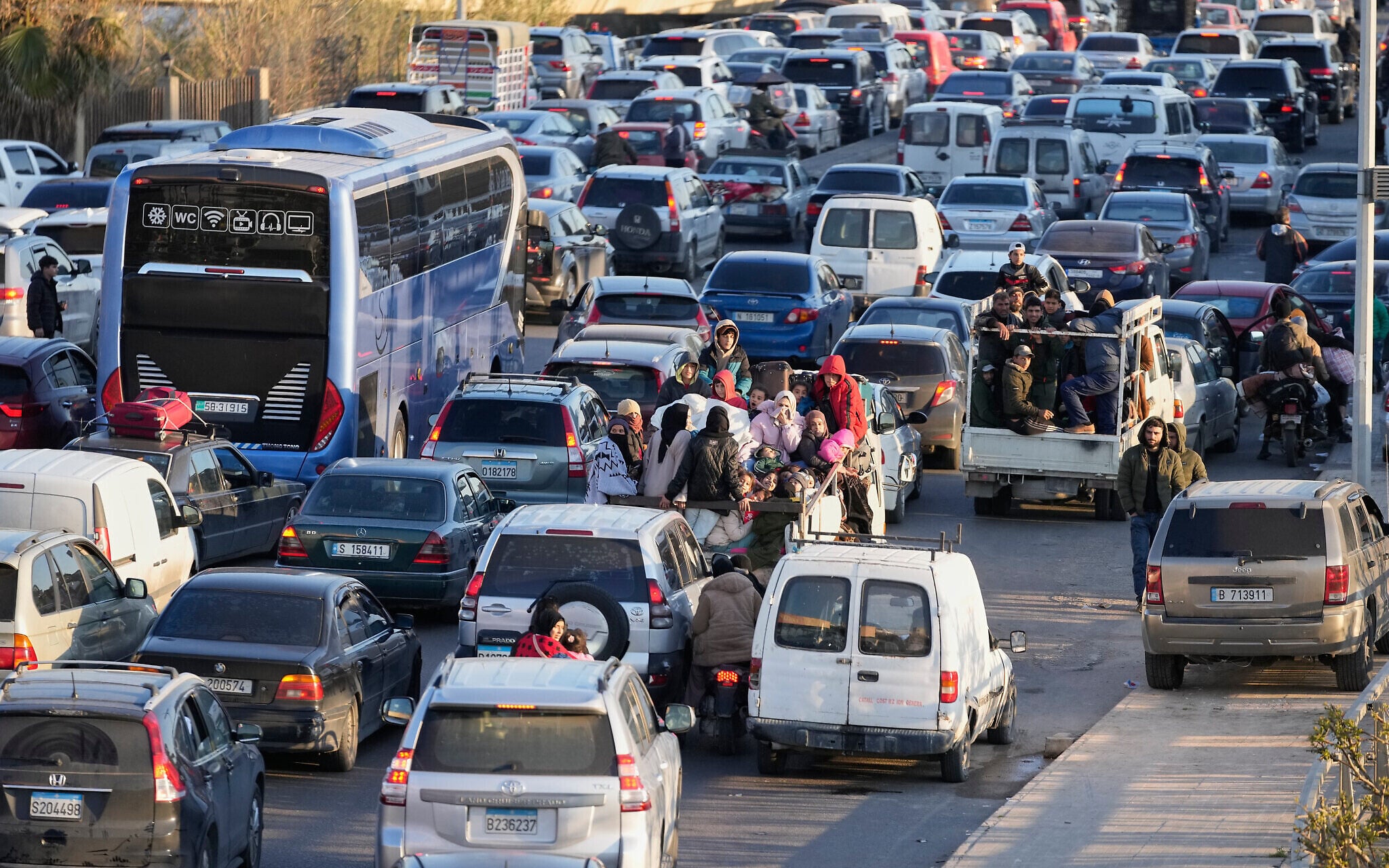
UN human rights chief Volker Turk accused Israel on Friday of issuing “blanket, massive displacement orders.”
“We are talking here about hundreds of thousands of people,” said Turk at a press conference in Geneva. “This raises serious concern under international humanitarian law, and in particular when it comes to issues around forced transfer.”
Imran Riza, UN Humanitarian Coordinator in Lebanon, told Reuters on Friday that about 100,000 displaced Lebanese were staying in shelters and the number of displaced is expected to rapidly increase following Israel’s “unprecedented” evacuation warnings.
The 100,000 people were gathered in “some 477 collective shelters,” said Riza, adding that “there are some 57 shelters that still have some space, but basically the capacity is being reached very, very quickly.”
“What we saw in the last couple of days is, I would say … unprecedented in terms of the scale here in Lebanon of the warnings, the displacement orders, and the reaction, the panic also, that this has all created,” said Riza.
“We had people moving all over the place and not knowing where to go to. So yes, I think we’re going to have an increased number quite quickly,” he said.
He noted that more than a million people were uprooted in Lebanon during the previous Israel-Hezbollah war, 75-80% of whom were not in shelters. “This time again, the majority will not be in shelters probably,” he said.
Times of Israel staff contributed to this report.
The post”Five soldiers seriously wounded by Hezbollah rocket as Air Force pounds Beirut” is auto generated by Nepalisrael.com’s Auto feed for the information purpose. [/gpt3]
