



NepalIsrael.com auto goggle feed
Only 12 of the 42 Palestinians who sought to return to the Gaza Strip via the Rafah Border Crossing Monday were allowed to enter, according a Tuesday report, which said 30 were blocked and were returned to Egypt.
Monday was the first day of a limited reopening of the Rafah Crossing, a move hailed by Palestinians and international organizations as a milestone in the Gaza ceasefire. But the number of people who actually crossed the border was significantly lower than the number permitted, which was set at 50 per day into the Strip and up to 150 people leaving it and entering Egypt — 50 medical patients, each with up to two companions.
A diplomatic official told The Times of Israel that only 12 people crossed in each direction.
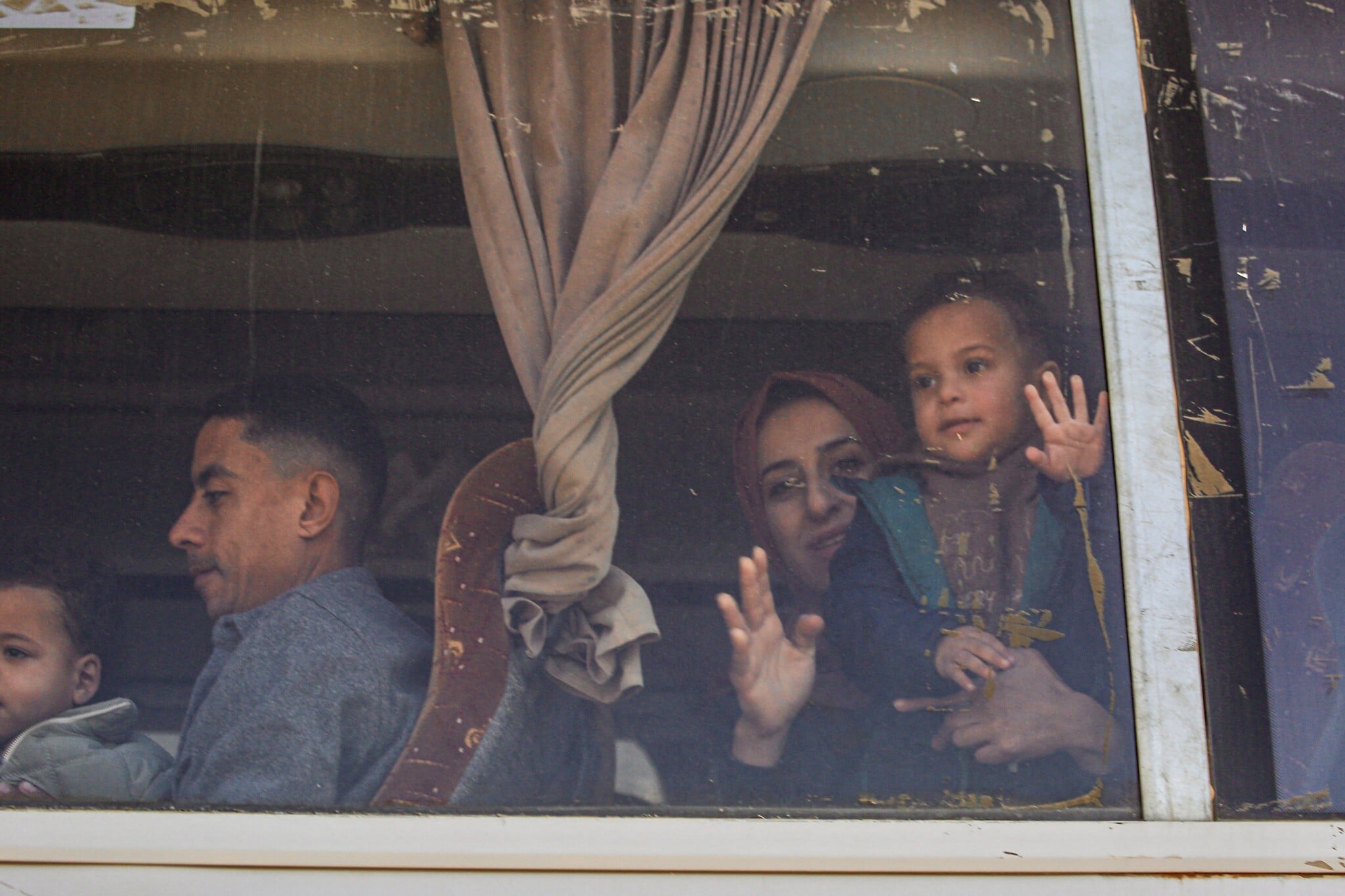
A source at the border quoted by AFP said that the 12 people who left the Strip for Egypt were “five injured people and seven companions.”
According to the Qatari channel Al-Araby, 30 people who tried to enter Gaza Monday were stopped and returned to Egypt. The report did not specify who these 30 people were or why they were prevented from entering the Strip.
Citing unnamed sources, the network said those who successfully returned to Gaza were interrogated several times during their journey, including by masked gunmen who stopped them at a checkpoint some 500 meters from the Rafah Crossing.
The sources said that the armed individuals handed the returnees over to IDF troops, whereupon they were interrogated and their belongings were confiscated.
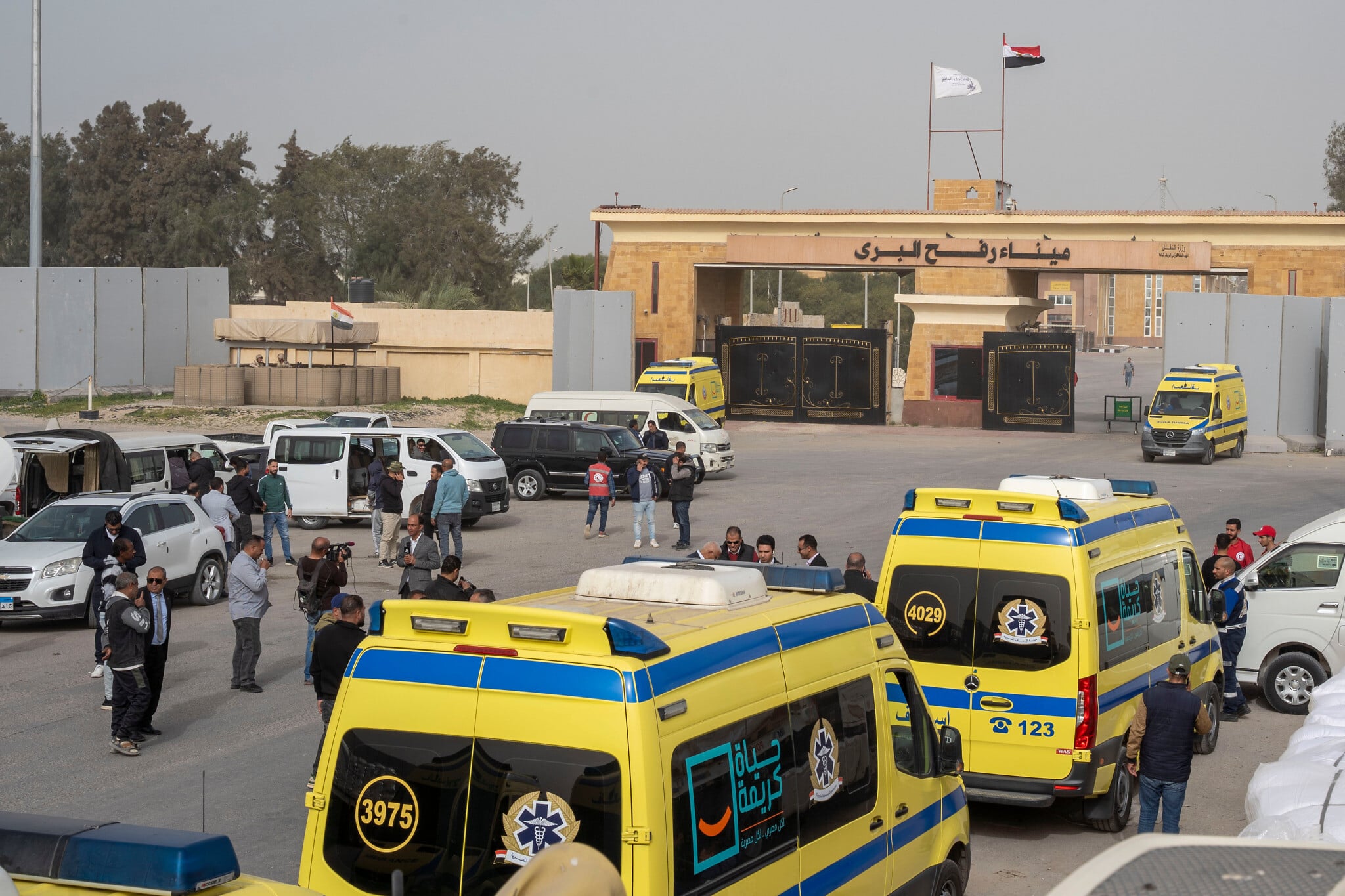
Palestinians returning to Gaza via Egypt first pass through the Rafah Crossing, which is being operated by a team of Palestinian Authority representatives and monitors from the European Union.
From there, they make their way to an IDF checkpoint — located around five kilometers northeast of the Rafah Crossing, on the Salah a-Din highway — for a security screening. Only afterward are they permitted to continue toward the Hamas-controlled areas of Gaza.
An area between Rafah Crossing and the IDF’s checkpoint is controlled by the Popular Forces, a militia founded by an anti-Hamas armed Bedouin leader, Yasser Abu Shabab, who was killed late last year.
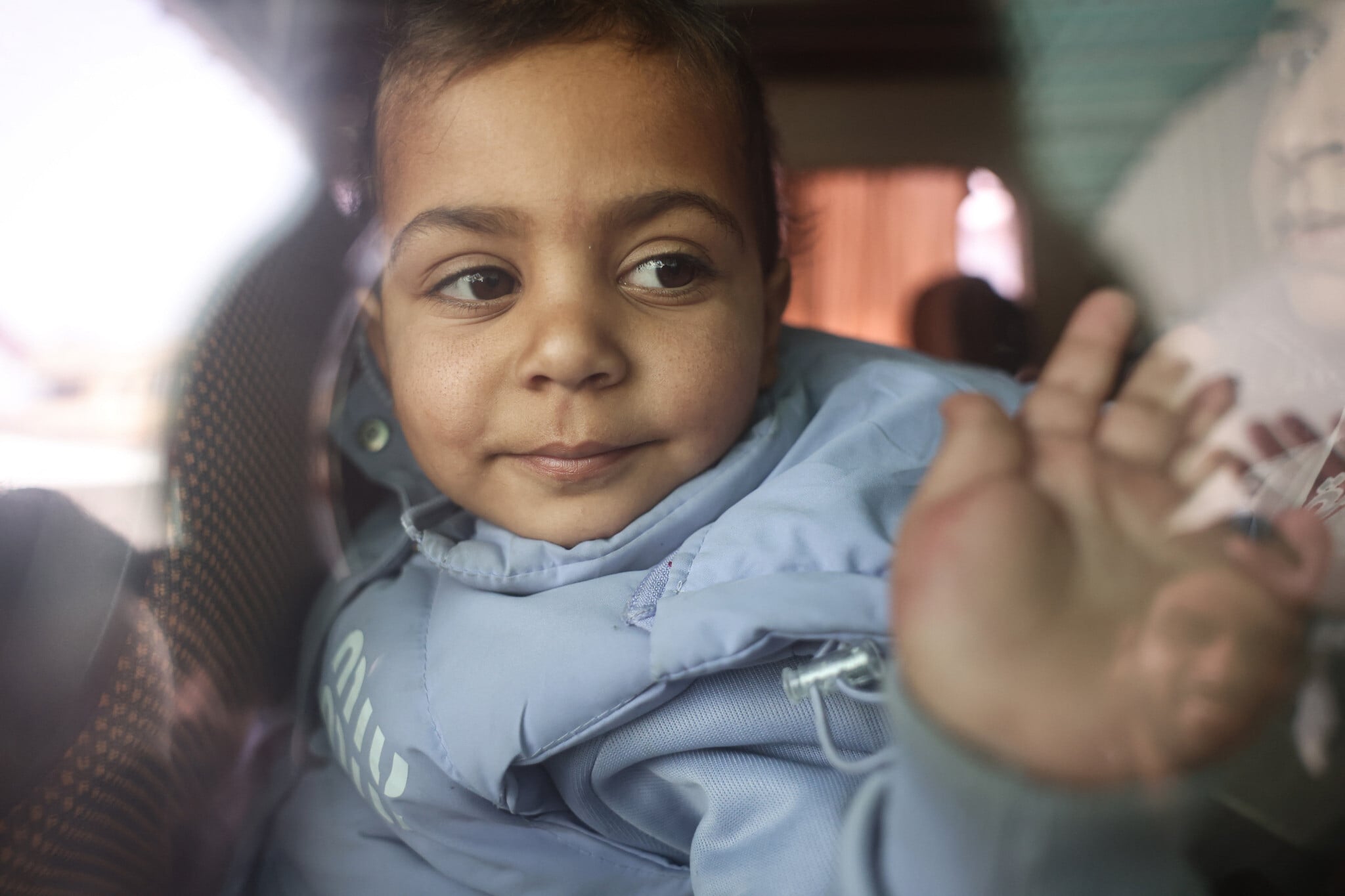
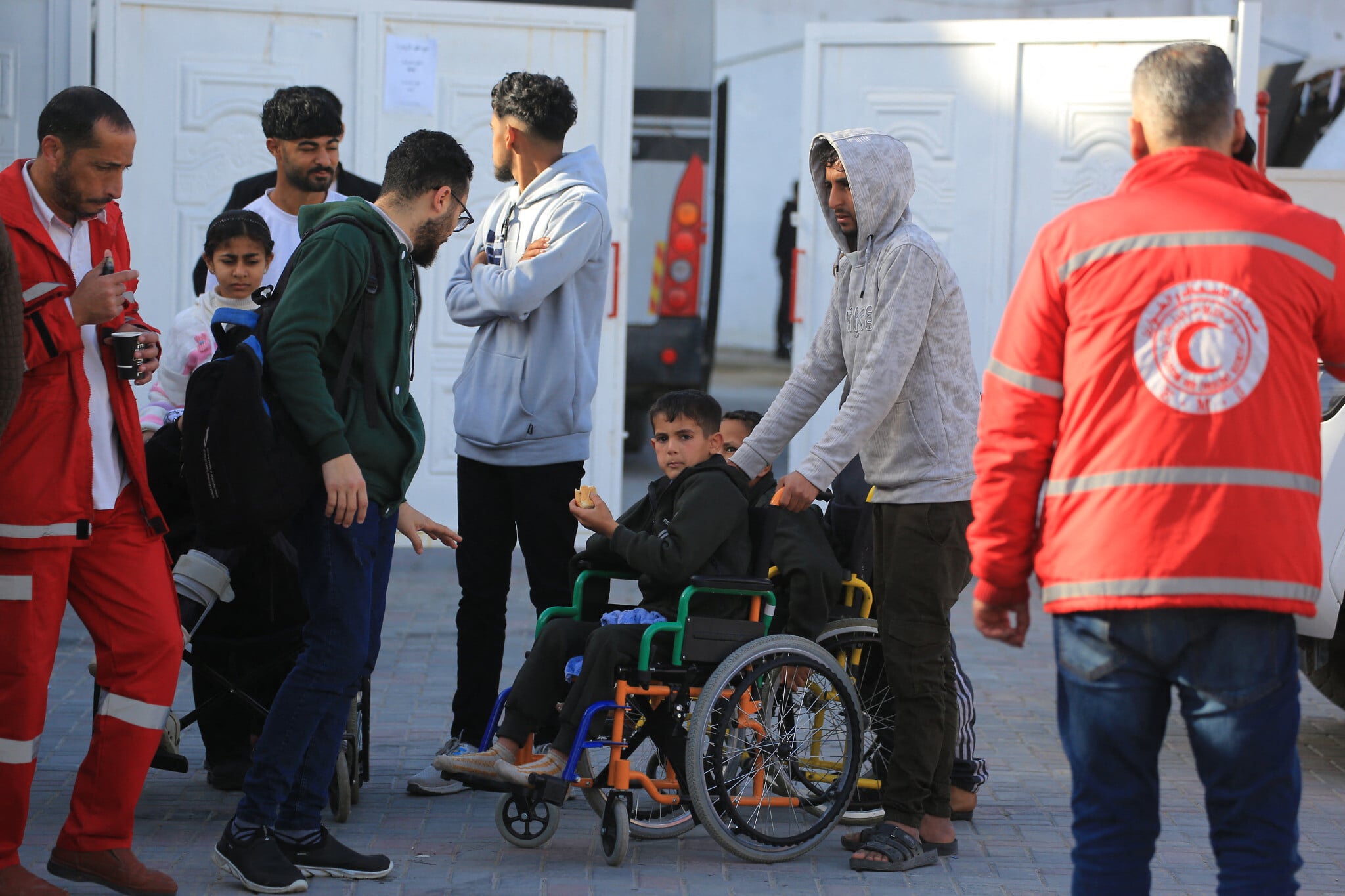
Going in the other direction, five of the 12 Palestinians who left the Strip for Egypt on Monday did so for medical treatment. Several were children accompanied by adult relatives. An Egyptian health official told AFP that three ambulances had arrived with Palestinian patients who were screened upon arrival to determine which hospital they would be taken to.
Al-Qahera News, citing Egypt’s health ministry, reported that 150 hospitals across the country and 250-300 ambulances have been prepared to receive Palestinian patients as the Rafah Crossing resumes operations.
It said 12,000 doctors and 30 rapid deployment teams have been allocated to work with those transferred.
The director of Gaza City’s Al-Shifa Hospital, Mohammed Abu Salmiya, said there were 20,000 patients in the territory in urgent need of treatment, including 4,500 children.
All Gazan Palestinians seeking to enter or leave the Strip are required to receive Egyptian approval, with Egypt sending the names to Israel’s Shin Bet domestic security service for clearance.
Israel is supervising the exit of Gazans to Egypt remotely. From a control room, Israeli officers, using facial recognition software, verify that those leaving the Strip are on the list of approved names and open a gate at the crossing to allow them through.
A team of Palestinian Authority representatives and monitors from the European Union stationed at Rafah Crossing are tasked with conducting security screenings for those leaving the Strip.
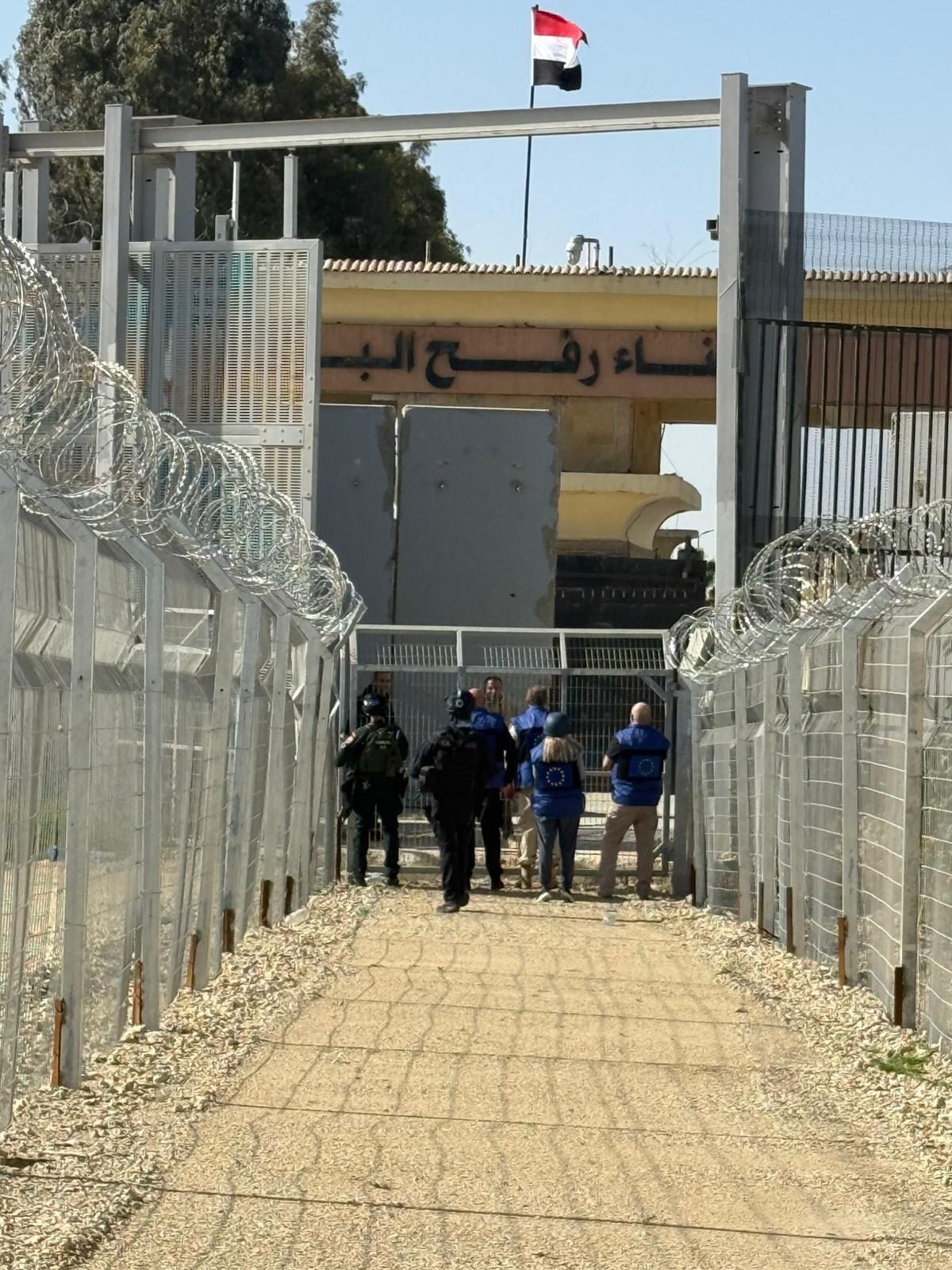
The crossing was briefly opened for the evacuation of medical patients during a ceasefire in early 2025. Israel had resisted reopening the Rafah crossing since the October ceasefire, but the recovery of the remains of the last hostage in Gaza last week cleared the way to move forward.
There are no plans to allow the crossing to be used for aid and goods, which go through other crossings where they are screened by Israel for contraband, especially weapons.
In the years before the war, Hamas used the Rafah Crossing to bring in numerous weapons and other supplies into the Strip for its military wing, without any Israeli oversight, according to the IDF and security officials.
The Israeli defense establishment is backing an idea for a tri-border crossing between Israel, Egypt, and Gaza, where the current Kerem Shalom Crossing is located.

The post”12 people let into Gaza from Egypt, of 42 who tried, on day 1 of Rafah opening – report” is auto generated by Nepalisrael.com’s Auto feed for the information purpose. [/gpt3]
