

NepalIsrael.com auto goggle feed
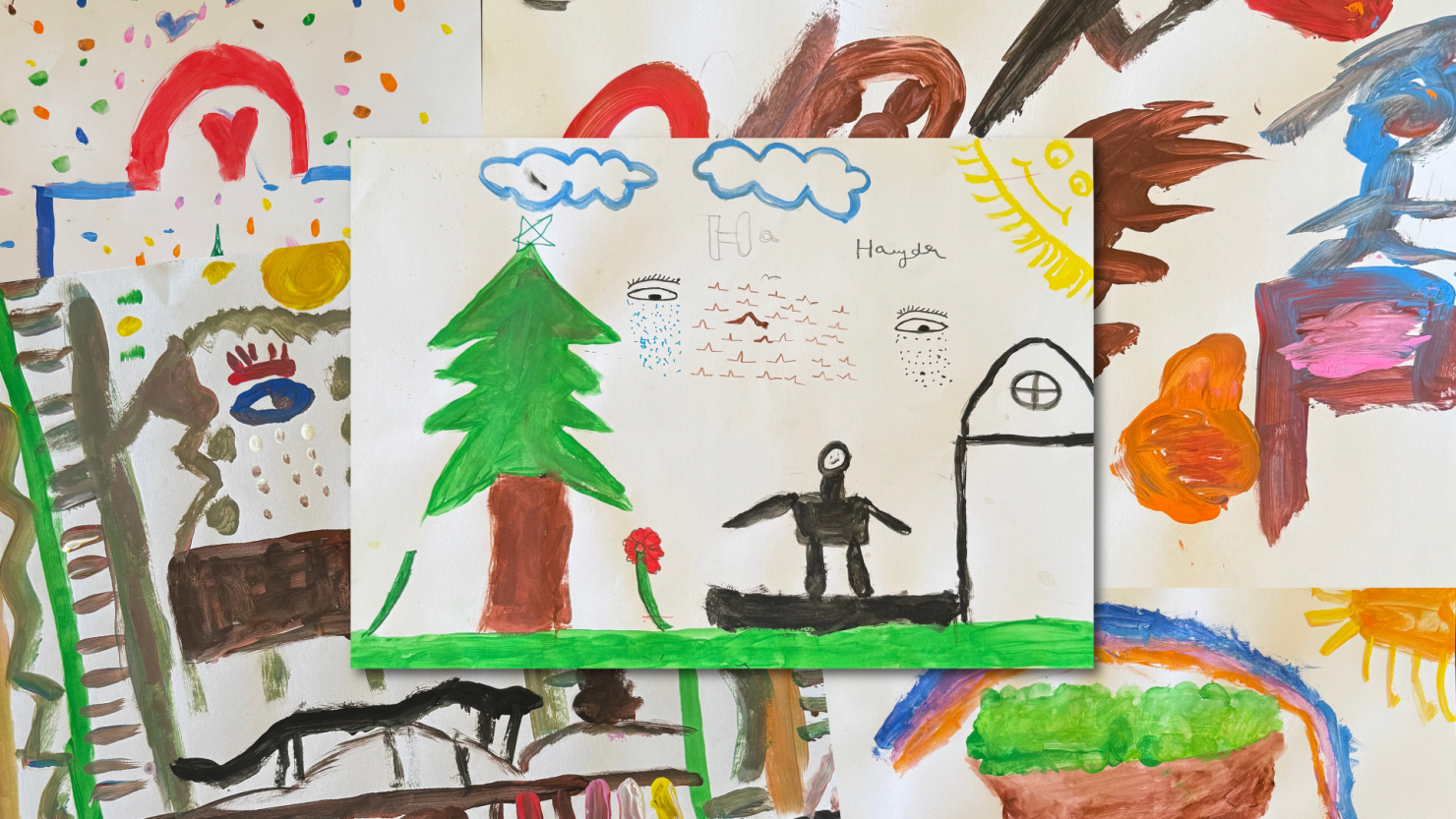
Children in Baalbek-Hermel grow up with stress and uncertainty that they don’t yet have the means to express. For Doctors Without Borders/Médecins Sans Frontières (MSF) teams, art-based psychosocial activities, particularly drawing sessions, have emerged as an accessible and impactful entry point for mental health support for these children. Their drawings reveal how trauma, memory, and hope coexist when daily life is shaped by displacement and insecurity.
Here, a member of MSF’s mental health team in Baalbek-Hermel shares a first-hand account of what children’s drawings tell us about what they are experiencing.
By Glykeria Koukouliata, MSF mental health activity manager in Baalbek-Hermel, Lebanon
The idea came about unexpectedly during a community discussion in Baalbek-Hermel. As MSF teams spoke with Lebanese and Syrian families about their health needs, a child timidly hovered timidly at the edge of the conversation and asked, “Can we draw? We just want to draw.”
In northeastern Lebanon, children from both refugee and host communities are growing up under immense pressure. Years of conflict in Syria, Lebanon’s economic collapse, ongoing Israeli military operations and airstrikes, and prolonged uncertainty have taken a heavy psychological toll, particularly on children. Sleep disturbances, anxiety, withdrawal, negative behavioral changes, and difficulty concentrating, are a few of the conditions our mental health teams see among children visiting our clinics due to the constant insecurity around them. Many children struggle to articulate fear, grief, and longing, especially in environments where adults themselves are overwhelmed and focused on day-to-day survival and coping.
The post”Can a child with a crayon heal a community? | Doctors Without Borders” is auto generated by Nepalisrael.com’s Auto feed for the information purpose. [/gpt3]
