


NepalIsrael.com auto goggle feed
Through persistent and painstaking work — sometimes tens of miles beyond the border — Israeli forces have arrived by vehicle or helicopter to neutralize threats and ensure that lethal weapons left behind by Syrian forces do not fall into hostile hands. More than seven tons of weaponry, including landmines, explosives, grenades and rockets, have already been seized and destroyed.
As we ascend toward the summit of Mount Hermon with the soldiers, the biting wind stings our faces. The blazing summer heat is left behind on the other side of the border, and a wintry chill settles in — a preview of the snowfall expected in the coming weeks. From an altitude of over 2,300 meters, at the Fortress of Winds outpost, the Lebanese mountain range stretches out in one direction. In the other, Druze and Sunni villages dot the Syrian hillsides. On a clear day, even Damascus is visible in the distance.
“There’s a lot of infrastructure here from the old Syrian army,” explains the brigade commander, Lt. Col. L. “We reached it and confiscated huge amounts of weapons. We destroyed much of the infrastructure as well. We made it clear — we won’t leave anything behind. The area has to be sterile. This is a defensive zone, and we need to manage it as best we can.”
But the biggest challenge facing Israeli forces operating across the Syrian border, the commander says, is a simple yet unresolved question: “Who exactly is the enemy?”
“It’s an undefined enemy,” says Lt. Col. L. “I don’t know what it looks like right now or what its goals are. I don’t think you’d find two people over there who would give you the same answer.”
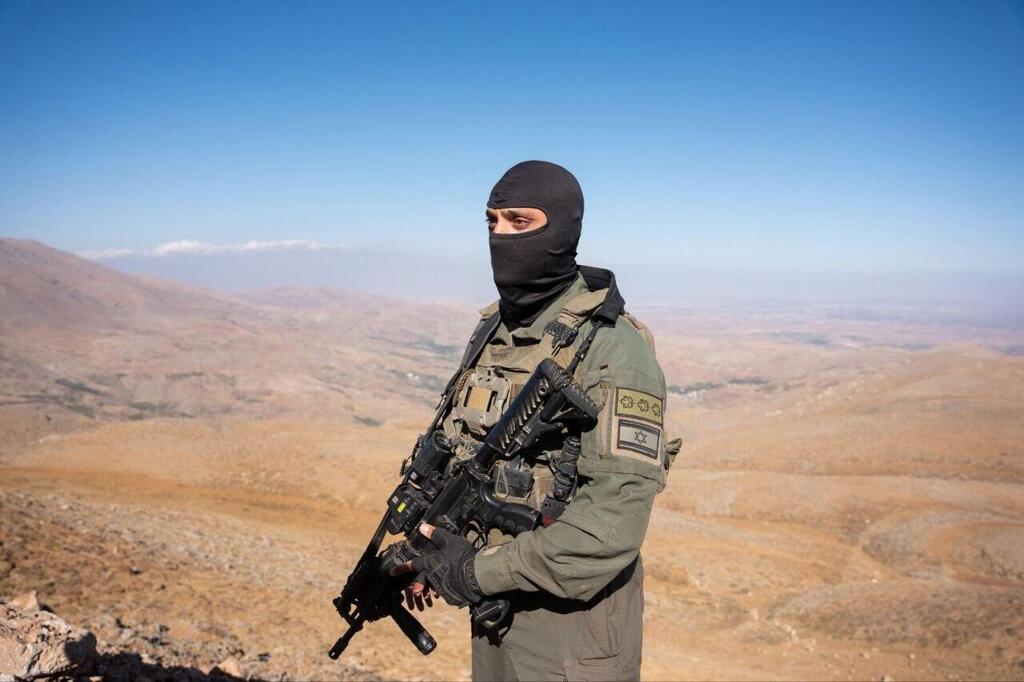
Their commander, Lt. Col. (res.) S., explained: “We carry out missions even deep in Syria with one clear goal — to remove the munitions as quickly as possible, before they end up in the wrong hands.”
As Western powers embrace Syria’s newly appointed president, Sunni jihadist Ahmad al-Sharaa, now sporting a tailored suit and carefully crafted image, the IDF remains wary. Sharaa, formerly a commander in al-Qaeda, still represents — in Israel’s eyes — the same extremist ideology.
“The major challenge in Syria today is that the enemy is still taking shape,” Lt. Col. L. says,
He recalls that when the war in Israel erupted on Oct. 7, 2023, “we knew exactly who was in power, and that it was Assad.” But today, he says, “one of the main challenges is understanding how this space is reshaping itself — what its intentions are, where it’s heading. These question marks will remain a challenge until they turn into exclamation marks. That’s why we must be ready here for any development.”
The Hermon region — once the seam between Israel, Syria and Lebanon, with no fence or clear border, shaped instead by fierce winds and extreme weather — has become sterile in recent months under Israeli control. Humanitarian aid missions by the IDF to nearby Druze villages continue, including in the Hermon sector. Still, the senior officer stresses the army’s effort to minimize friction with the local population, aware of how quickly dynamics could change.
“The Druze response to us is warm,” he says. “When you go down, they wave hello, they welcome you. But I don’t confuse that with our mission. My approach is operational, focused only on activities and aid operations, not something we do as part of daily routine.”
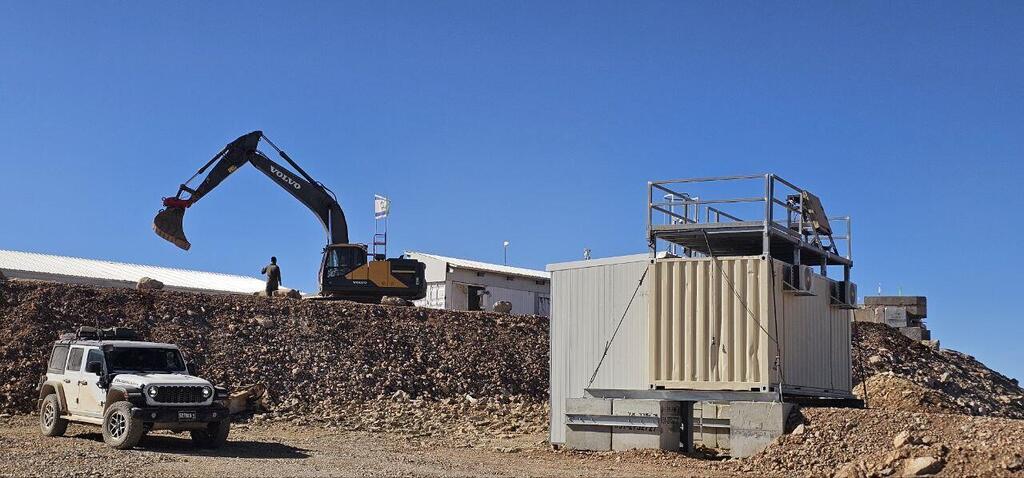
In newly built Hermon outposts, Israeli forces are preparing for long deployments under snow and freezing winds. The army’s snow-clearing unit is set to keep access routes open, while the Alpine unit trains for combat, climbing and mobility in winter conditions. Most of the effort, however, is going into hardening the outposts against the weather — an enemy no less challenging than the Syrians.
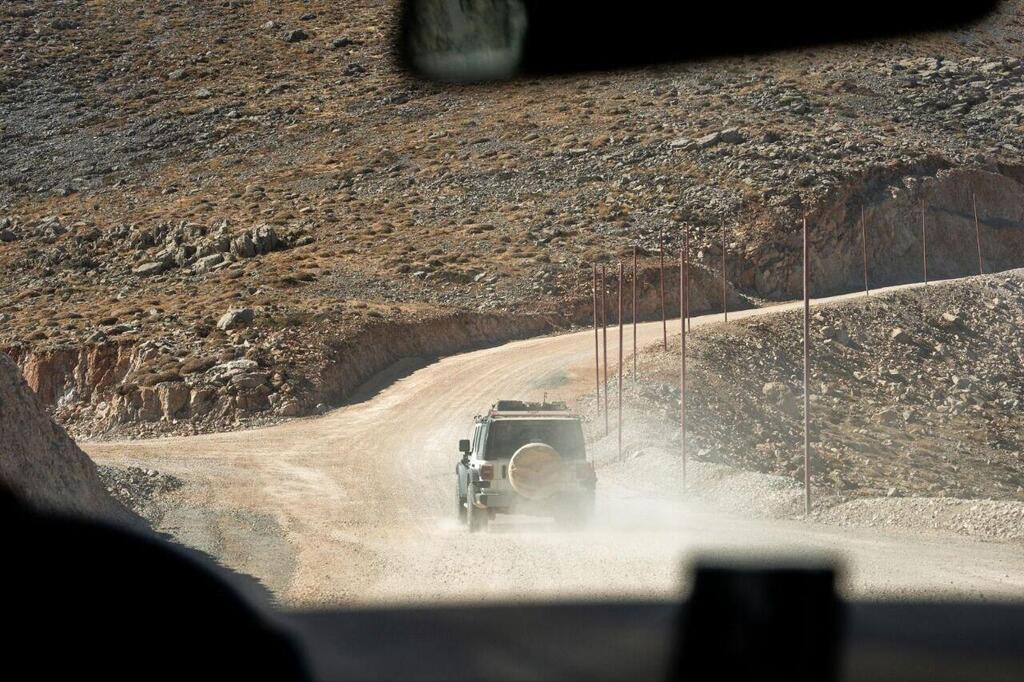
“We’re using every moment,” says Lt. Col. L. On our way to the Fortress of Winds outpost, we pass military engineers widening mountain paths and erecting tall snow markers, ready for when the roads vanish under several feet of snow.
Lt. Col. (res.) S. points to the bulldozers working near the base: “We’re racing against time, pushing to finish the outpost’s infrastructure and routes. The goal is to make sure the base is fully prepared, able to hold out even if cut off for days or even months.”
The post”As Syria fractures, Israel digs in” is auto generated by Nepalisrael.com’s Auto feed for the information purpose. [/gpt3]
