




NepalIsrael.com auto goggle feed
As US President Donald Trump threatens to attack Iran if it fails to reach a nuclear deal, 59 percent of Israelis support joining a potential US strike on the Islamic Republic, according to a Channel 12 poll released on Thursday.
Another 29% of respondents were opposed to joining a US strike on Iran, and the remaining 12% were uncertain.
According to the network, supporters of Israel joining a US strike included 58% of people who voted for opposition parties and 74% of people who voted for parties in Prime Minister Benjamin Netanyahu’s coalition.
An unnamed source told Axios on Wednesday that if Trump were to launch strikes on Iran, it would likely be a joint US-Israeli operation, even larger than the 12-day Israeli-led bombing campaign against Iran’s nuclear and military sites last June.
Two Israeli officials told the outlet that Israel is pushing an operation aimed at toppling the regime.
Trump warned Iran on Thursday that it must reach a deal over its nuclear program or “bad things” will happen, and appeared to set a 10-15 day deadline before the US might take action.

Electoral deadlock
Meanwhile, both the Channel 12 poll and a survey by Zman Yisrael, The Times of Israel’s Hebrew-language sister site, showed Netanyahu’s coalition and the opposition parties again failing to clinch a Knesset majority in the next election without the support of an Arab faction.
Leaders of both blocs have rejected relying on Arab support to form a government.
In the Zman Yisrael survey, respondents were asked whom they would vote for in two scenarios — one in which all parties ran independently, and another that featured joint lists of the four Arab parties (Ra’am, Hadash, Ta’al and Balad), a pair of far-right parties (Otzma Yehudit and Religious Zionism), a pair of parties that have rejected a government with Netanyahu (Yashar! and Bennett 2026), and a pair of smaller parties that have not (Blue and White and HaMiluimnikim).
In the first scenario, where all parties ran independently, Islamist Arab party Ra’am would win six of the Knesset’s 120 seats, while five seats would go to the Arab-majority Hadash-Ta’al, itself a union of secularist and binational communist factions. The remaining partner in a potential Joint Arab List, the nationalist Balad party, would fail to pass the electoral threshold on its own.

Netanyahu’s Likud was the largest party in the poll, with 27 seats. His coalition would net a total of 52 seats, with another 10 for the Sephardic ultra-Orthodox Shas, eight for the Ashkenazi ultra-Orthodox United Torah Judaism and seven for National Security Minister Itamar Ben Gvir’s far-right Otzma Yehudit. Finance Minister Bezalel Smotrich’s far-right Religious Zionism party would fail to pass the electoral threshold.
Anti-Netanyahu parties would rake in 53 seats, with 18 seats for former prime minister Naftali Bennett, Netanyahu’s lead opponent for the premiership; ten for former defense minister Avigdor Liberman’s hawkish, secularist faction Yisrael Beytenu; nine each for former IDF chief Gadi Eisenkot’s centrist Yashar! party and former deputy IDF chief Yair Golan’s left-leaning The Democrats party; and seven for Opposition Leader Yair Lapid’s centrist Yesh Atid party.
Four more seats would go to former IDF chief Benny Gantz’s centrist Blue and White party, the only opposition faction that has expressed openness to entering a government with Netanyahu.
Gantz’s four seats would not be enough for either Netanyahu’s bloc or the opposition parties to form a government. And while Ra’am was a part of Bennett’s short-lived anti-Netanyahu government in 2021-2022, Bennett, along with Gantz and Liberman, has said it was untenable to rely on Arab support following the Hamas-led onslaught of October 7, 2023, that sparked the war in Gaza.
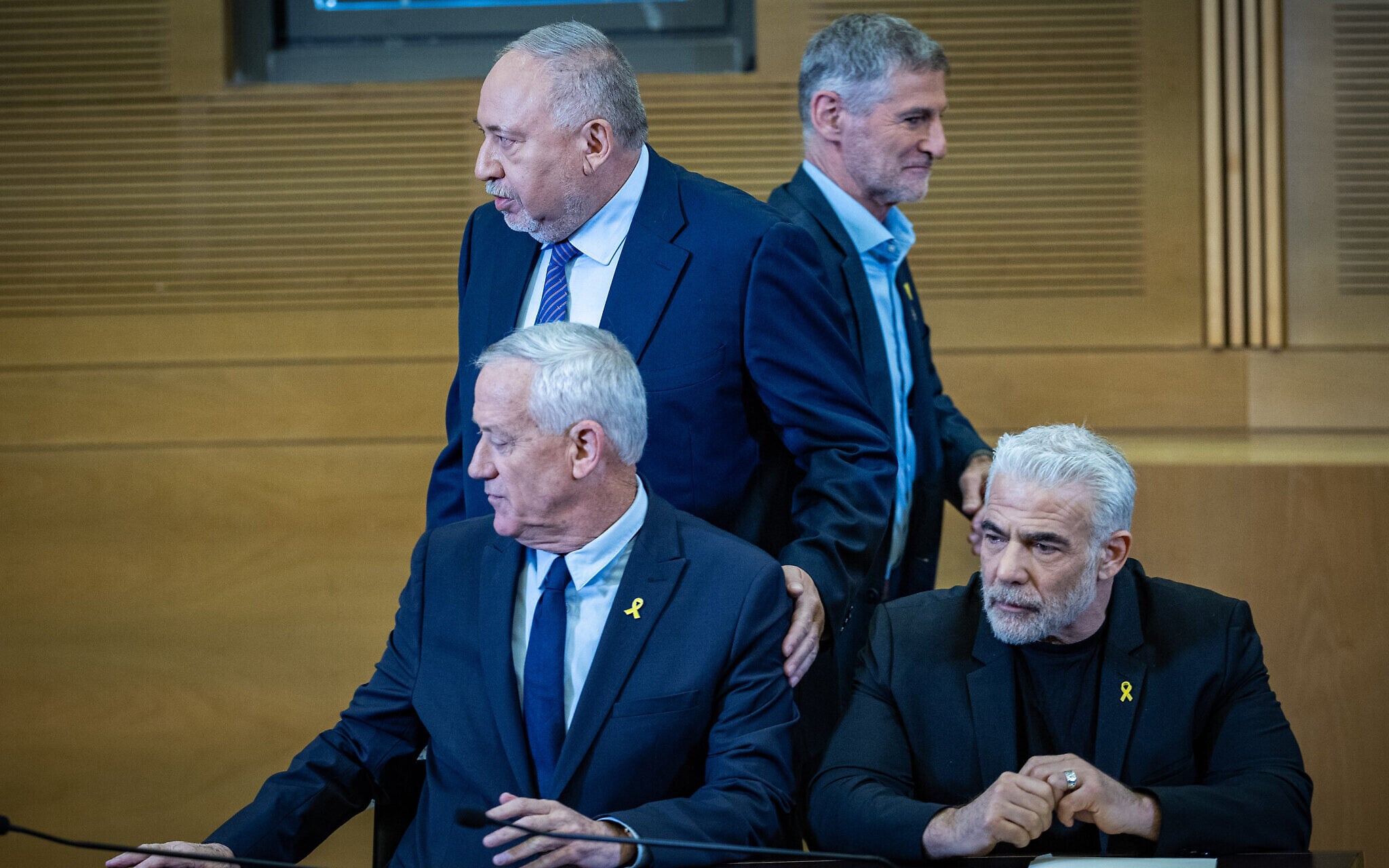
The second scenario in the Zman Yisrael survey, in which several parties ran on joint slates, also saw both Netanyahu’s coalition and the Zionist opposition bloc failing to secure a majority in the Knesset.
In this scenario, the Joint Arab List made up of Ra’am, Hadash-Ta’al and Balad would get 13 seats, two more than expected in the first scenario. The parties have pledged to work to revive the Joint List amid popular pressure in the Arab community following a violent crime surge.
Gantz’s result also jumped from four to six seats if he runs with right-wing former communications minister Yoaz Hendel, whose HaMiluimnikim (“The Reservists”) Party has said it seeks to form a government that does not include ultra-Orthodox and Arab parties.
On Netanyahu’s side, a joint list of Ben Gvir and Smotrich would rake in nine seats — up from their joint seven in the first scenario — but this would be offset by the Likud, Shas and UTJ losing one seat each, giving the ruling coalition a total of 50 seats.
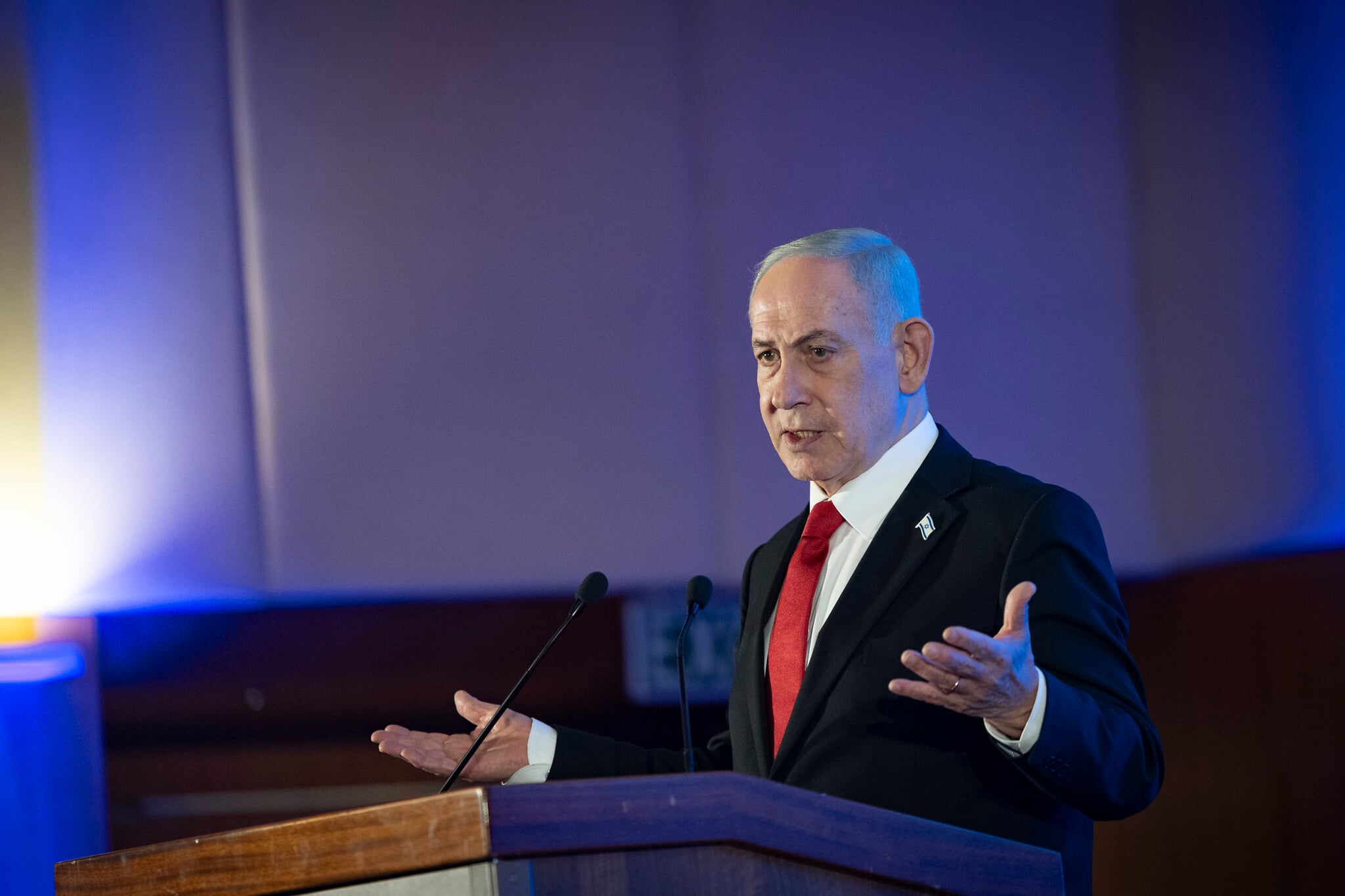
A joint list led by Bennett and Eisenkot would become the largest party in the Knesset, with 27 seats — the same as their total in the first scenario where they ran separately. Yisrael Beytenu, The Democrats and Yesh Atid would each lose one seat, giving the bloc a total of 51 seats.
The Zman Yisrael poll was conducted February 18-19 by Tatika Research and Media in collaboration with the Adgenda panel, and included 500 Jewish and Arab respondents, controlled for age, religion, gender and place of residence. The margin of error was 4.4%.
TV poll shows wider lead for opposition
The Channel 12 poll showed the opposition bloc with a wider lead over Netanyahu’s coalition but still short of a majority after elections, due to be held before the end of October.
In a scenario where all parties ran independently, the poll awarded 52 seats to Netanyahu’s coalition, 58 seats to opposition parties, and 10 seats to Arab parties.
According to the poll, Likud would gain 27 seats; Bennett’s party would gain 21 seats; The Democrats would gain 11; Yashar! would gain 10; Shas, Yisrael Beytenu and Otzma Yehudit would each win nine; Yesh Atid and UTJ would each gain seven; and Hadash-Ta’al and Ra’am would each take five. Religious Zionism, Blue and White and Balad would fail to pass the electoral threshold on their own.
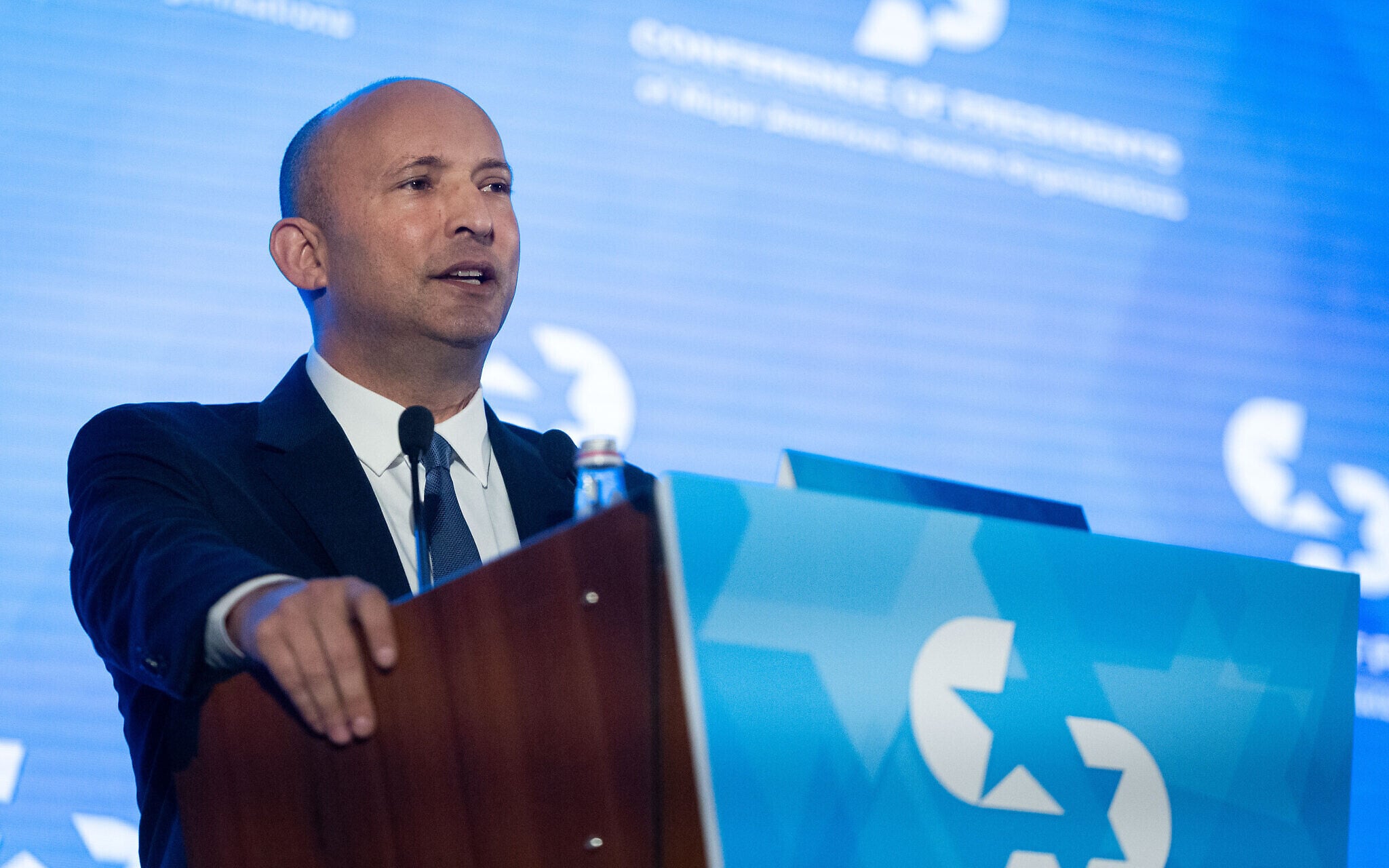
If Ra’am, Hadash-Ta’al and Balad were to run together as the Joint List, they would win 12 seats, up from their collective ten seats expected in the first scenario. The additional two seats would come out of the tallies of The Democrats and of Bennett’s party, each of which would lose one seat from their expected result in the first scenario, giving the anti-Netanyahu bloc a total of 56 seats, while Netanyahu’s bloc stays the same.
Asked who was more fit to serve as prime minister, respondents to the Channel 12 poll also gave Netanyahu a comfortable lead over all other party leaders.
Netanyahu led Bennett by 43%-35%, with 18% saying neither was fit to be premier; Eisenkot by 45%-28%, with 23% saying neither; Liberman by 44%-21%, with 31% saying neither; and Lapid by 47%-21%, with 29% saying neither. The remainder of respondents in all cases said they didn’t know.
Channel 12 also asked respondents whether their vote would be decided by issues of security, cost of living, or “the continuation or discontinuation of Netanyahu’s tenure.”
According to the network, security was the deciding issue for 40% of respondents, including 53% of coalition voters and 32% of opposition voters. Cost of living was the deciding issue for 32% of respondents, including 29% of coalition voters and 31% of opposition voters. Netanyahu’s tenure was the deciding issue for 19% of respondents, including 8% of coalition voters and 31% of opposition voters.
The Channel 12 poll was conducted by Manu Geva’s Midgam firm, together with iPanel. According to the network, it had a sample size of 501 and a margin of error of 4.4% and was up to date as of February 19.
The post”59% of Israelis support joining potential US strikes on Iran, poll finds” is auto generated by Nepalisrael.com’s Auto feed for the information purpose. [/gpt3]
